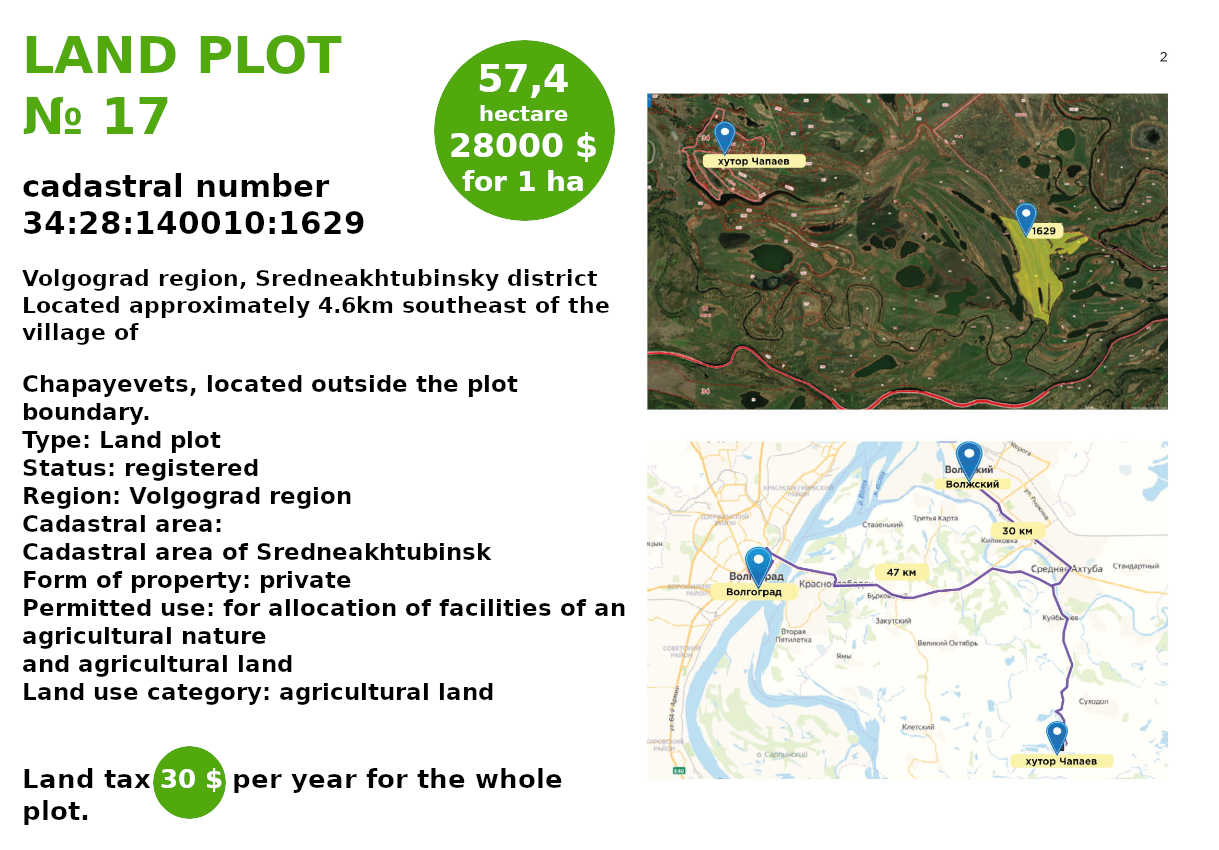
Land plot № 17
57,4 ha
28000 $
for 1 ha
cadastral number 34:28:140010:1629
Volgograd region, Sredneakhtubinsky district
Located approximately 4.6km southeast of the village of
Chapayevets, located outside the plot boundary.
Type: Land plot
Status: registered
Region: Volgograd region
Cadastral area:
Cadastral area of Sredneakhtubinsk
Form of property: private
Permitted use: for allocation of facilities of an agricultural nature
and agricultural land
Land use category:
agricultural land
Land tax: 30 $ per year for the entire plot.

Intended uses
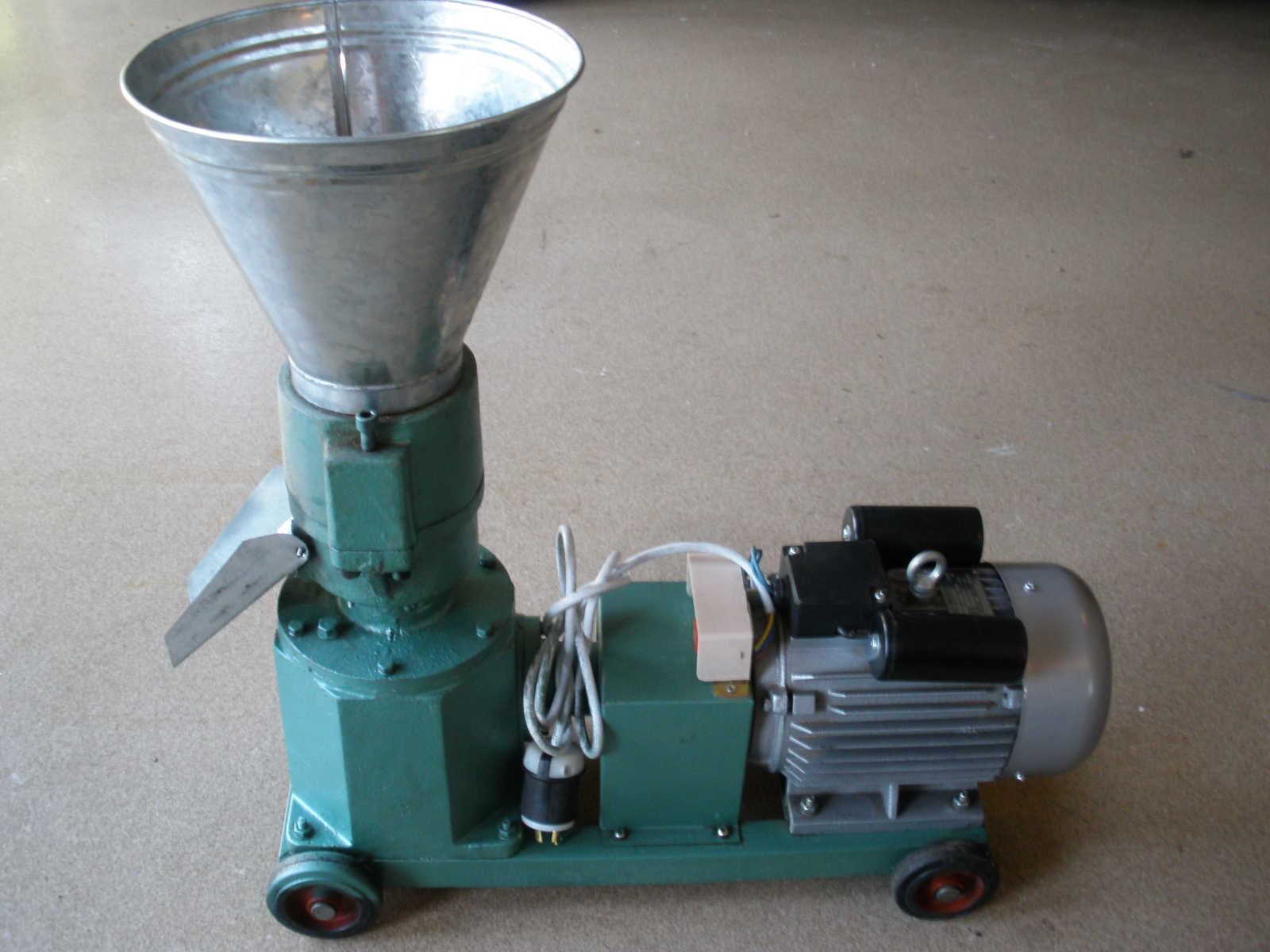
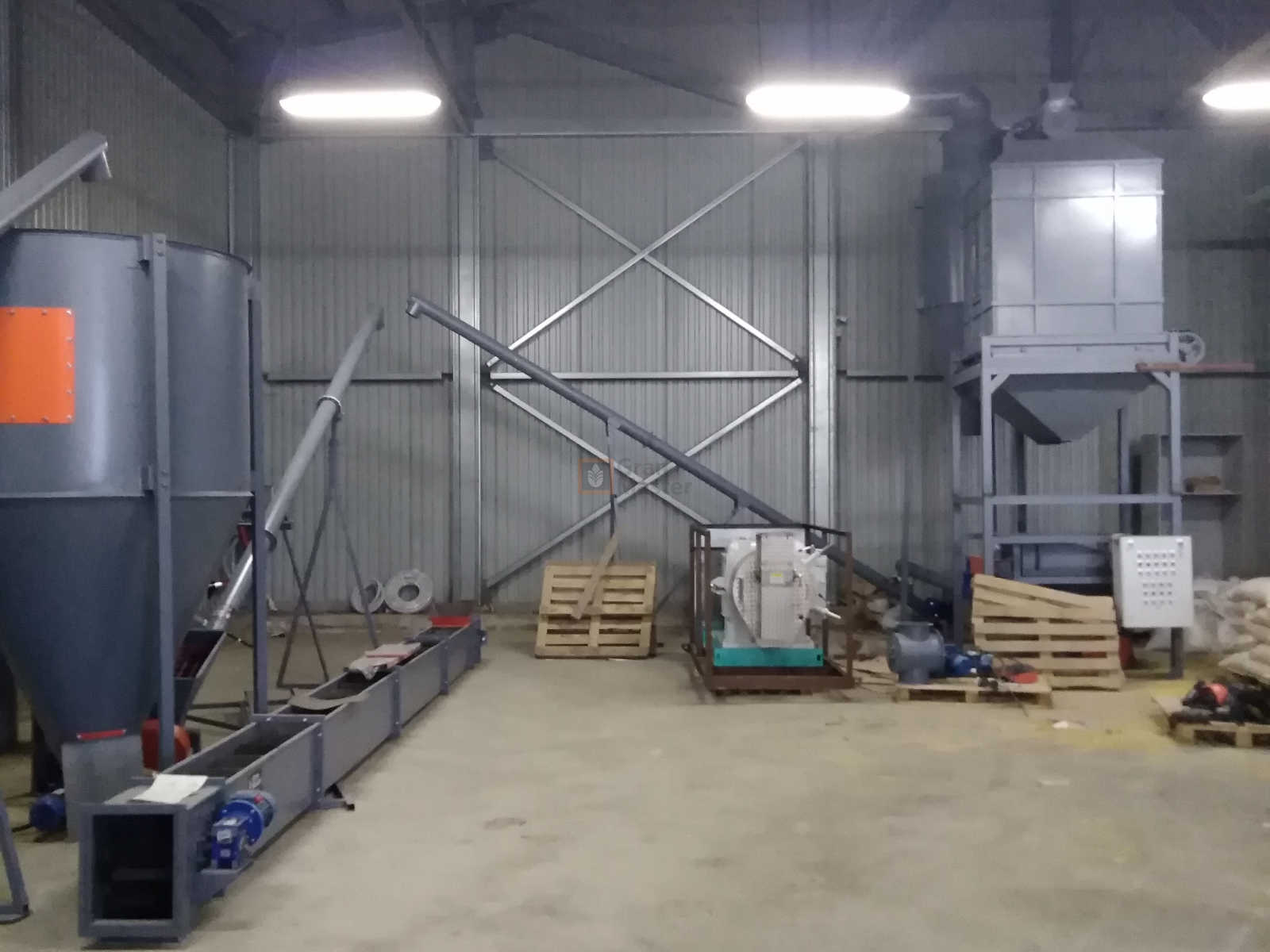
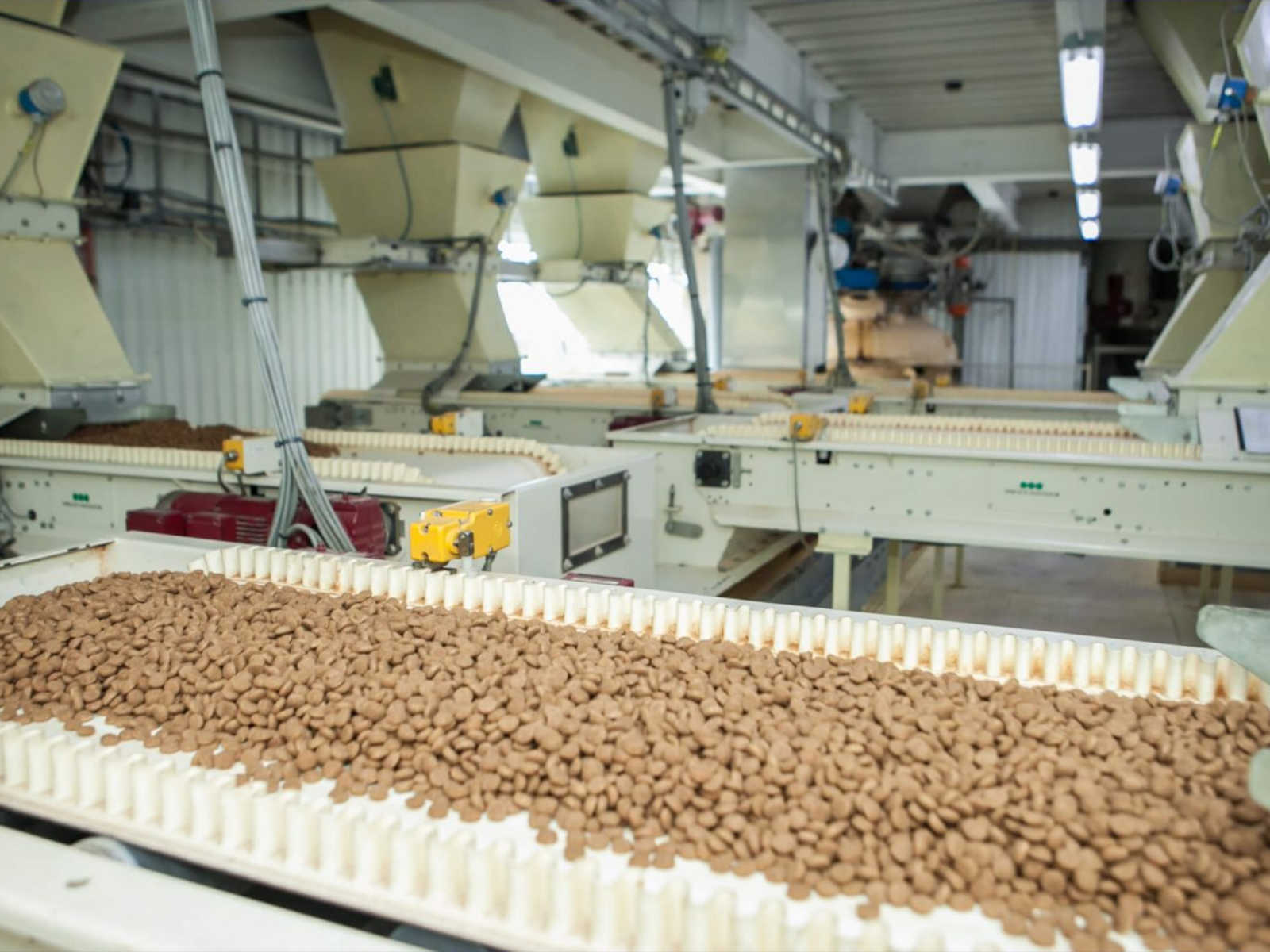
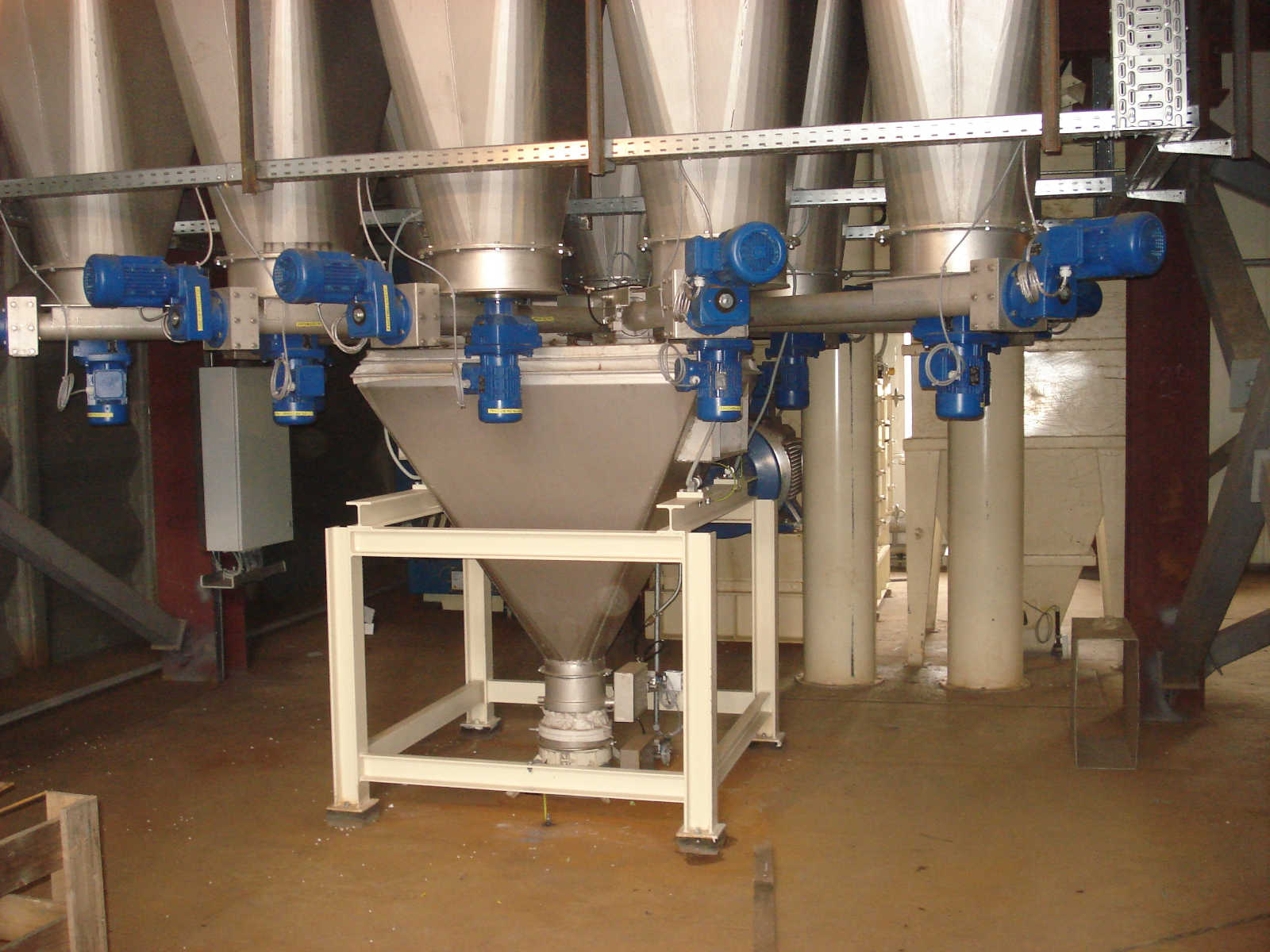
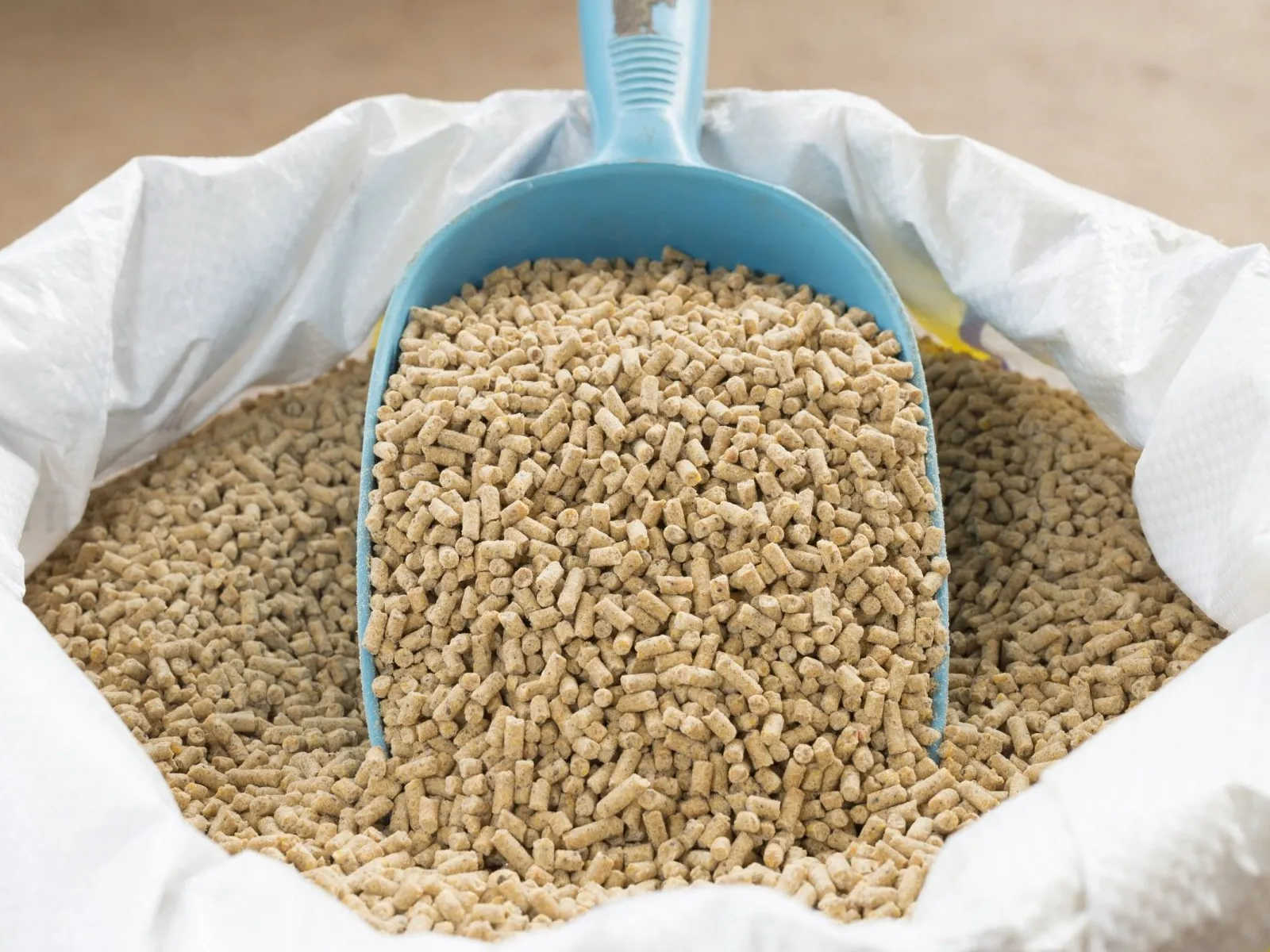
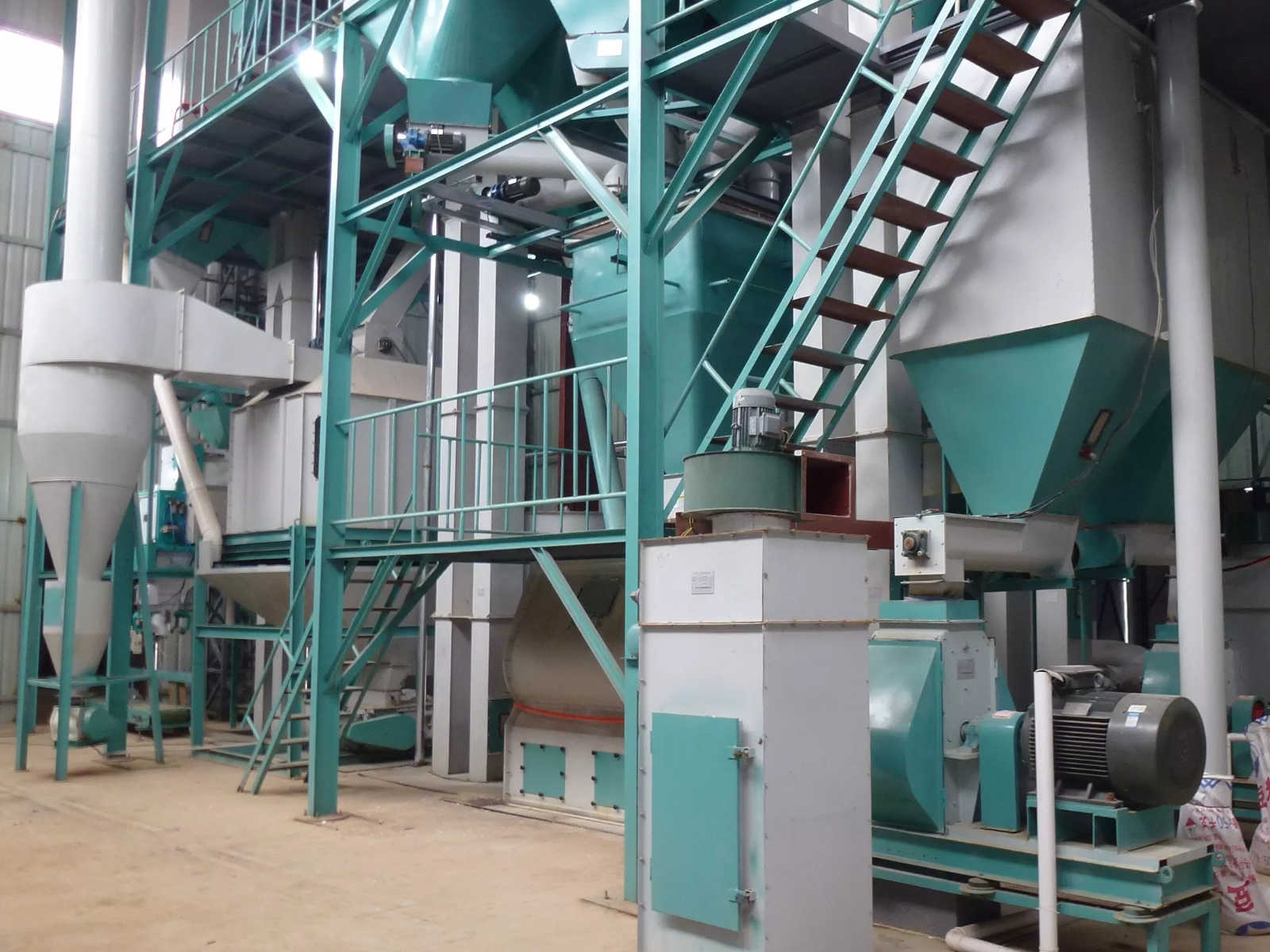
For pelleted feed production
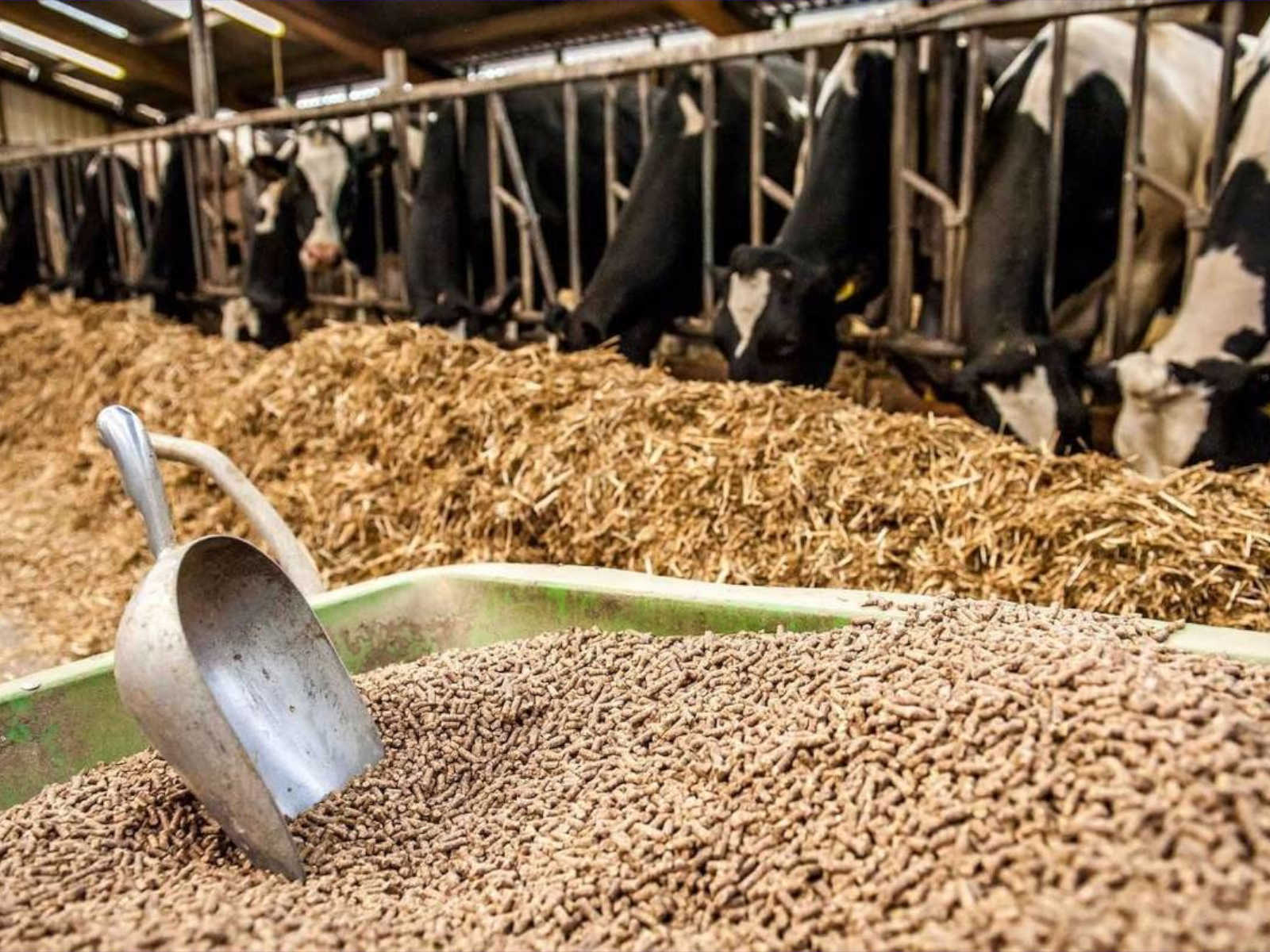
Why is it profitable to start a business that deals specifically with the production and sale of food for farm animals? It's simple - it is the agrosphere that is developing at a tremendous rate, so the demand for forage fodder is quite high.
Many people mistakenly believe that to open and to run a successful and profitable business, one must be a born farmer or be born in the countryside, but this is completely untrue, in fact all that is required is your enthusiasm and a desire to develop in this fast-growing sector.
Moreover, doubts about the "unattractiveness" of the agricultural sector should be set aside: it is currently the only sector in which there are few worthy competitors and which does not require a great deal of investment.
Animals need food all year round, so you won't be out of a job!
Pelleted hay is easy to transport;
The pellets are easy to store and their compact size allows you to reduce your storage space costs;
The pellets have a good packed density;
The nutrients are evenly distributed in the pellet;
The pellets retain their original shape and properties at low temperatures and do not freeze.
Pelletizing feed contributes to better digestibility and absorption of nutrients by the animal organism, because this production process changes the structural and chemical properties of the grass. For example, drying hay under natural conditions causes more than a third of micro-nutrients to be lost in the feed, while high temperatures during pelletizing affect the grass cells, removing fat from them, and this contributes to a better retention of nutrients. In addition, the steam during pelleting triggers the grass sterilization process, killing germs and pests.
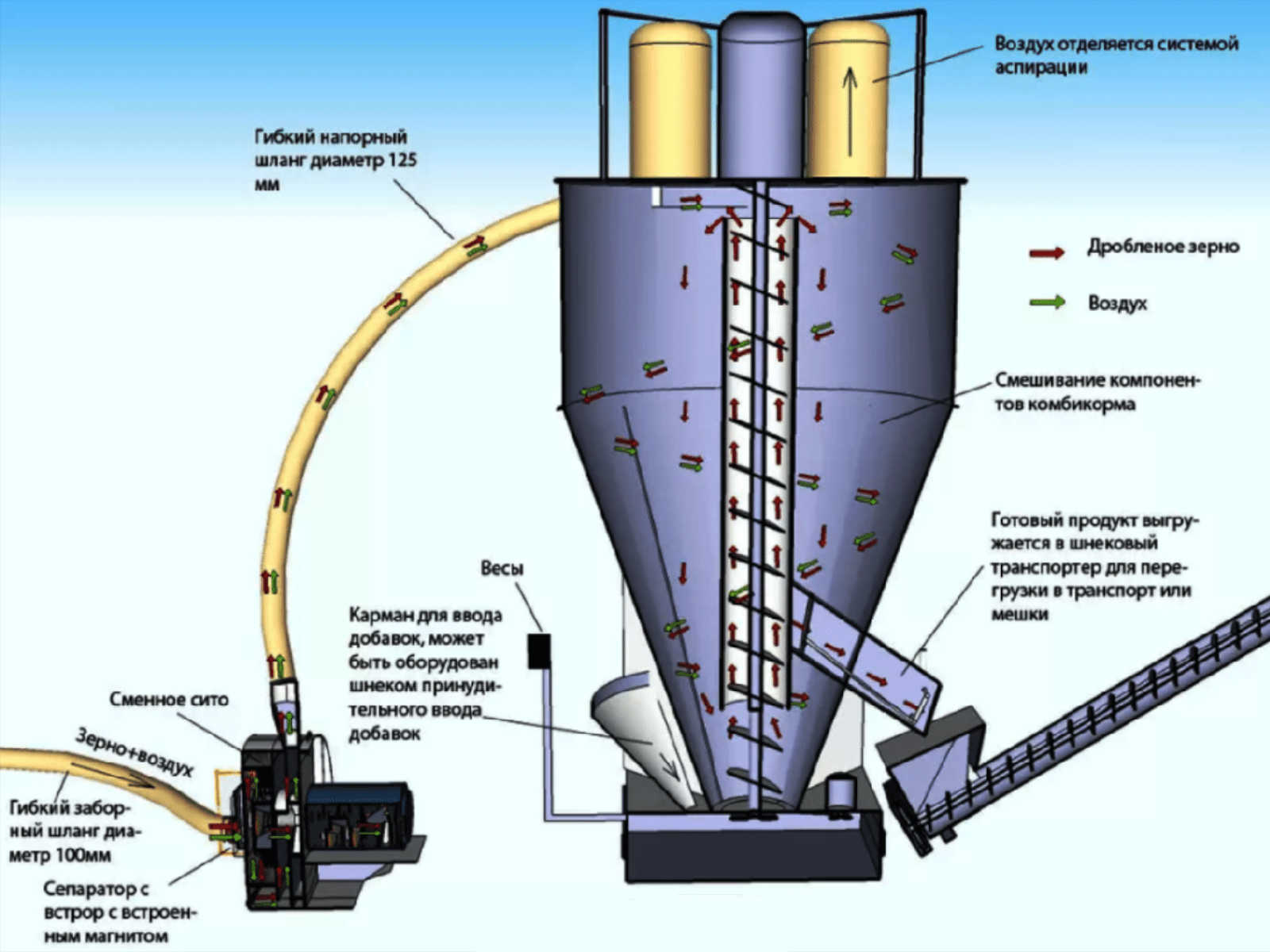
The process of preparing and pelletizing grass (hay) is as follows:
1. Selection of grass and equipment for mowing.
The following types of annual and perennial grasses are suitable for forage production: oats, nettles, clover and alfalfa.
For mowing grass, of course, manual equipment is not suitable. Strong and reliable equipment, such as a tractor mower, should be chosen for the needs of the business.
2. Grass shredding
For pellets, the grass needs to be shredded, so you will need to buy special equipment - a grass shredder. Yes, this is another cost item, but there is good news: the cost of suitable alternatives ranges from 30,000 RUB.
3. Grass drying
The grass is placed in the drying machine, using which the relative humidity of the grass is achieved at around 8-12%. The price of a drying machine is between 100,000 and 200,000 RUB.
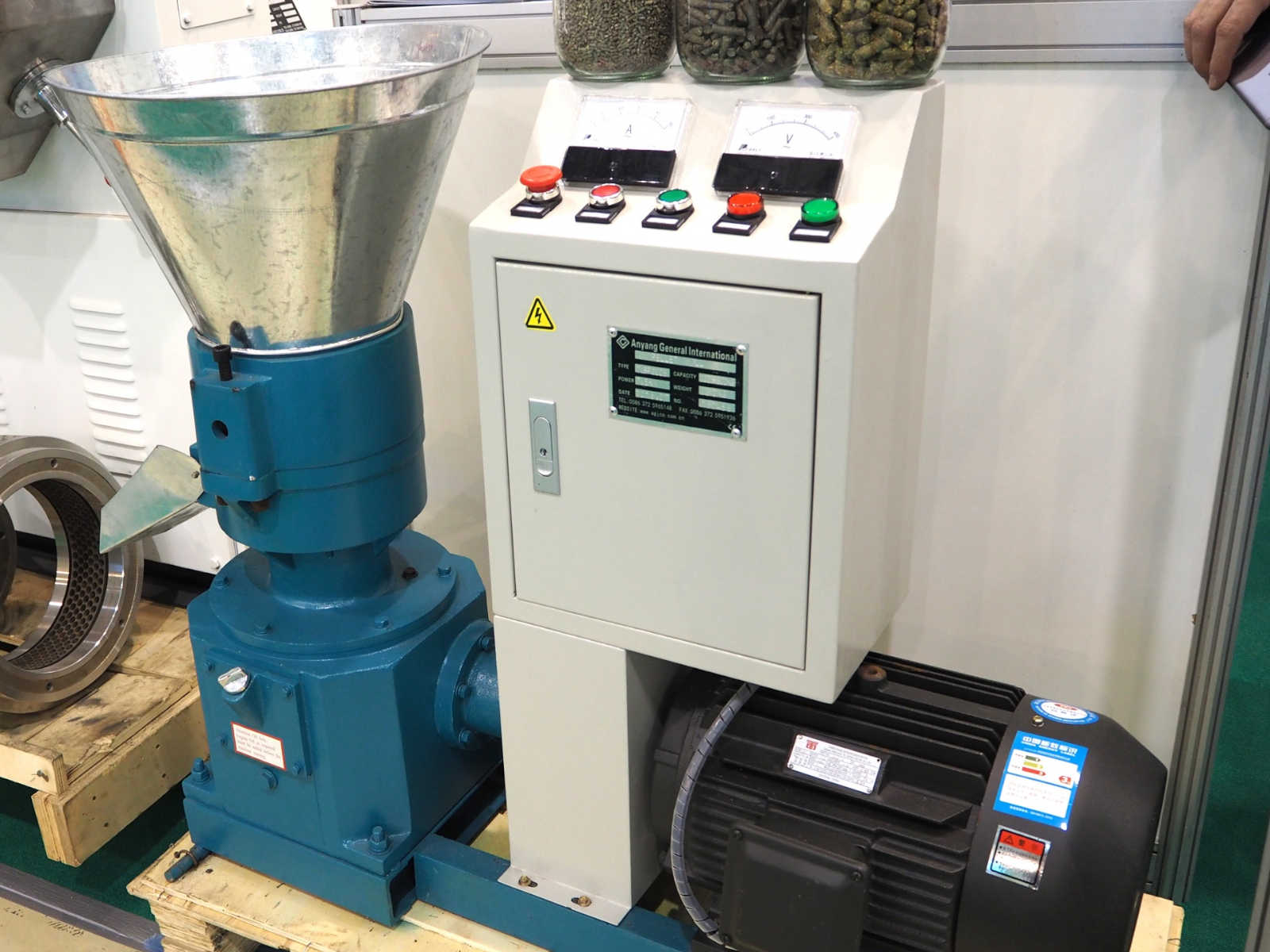
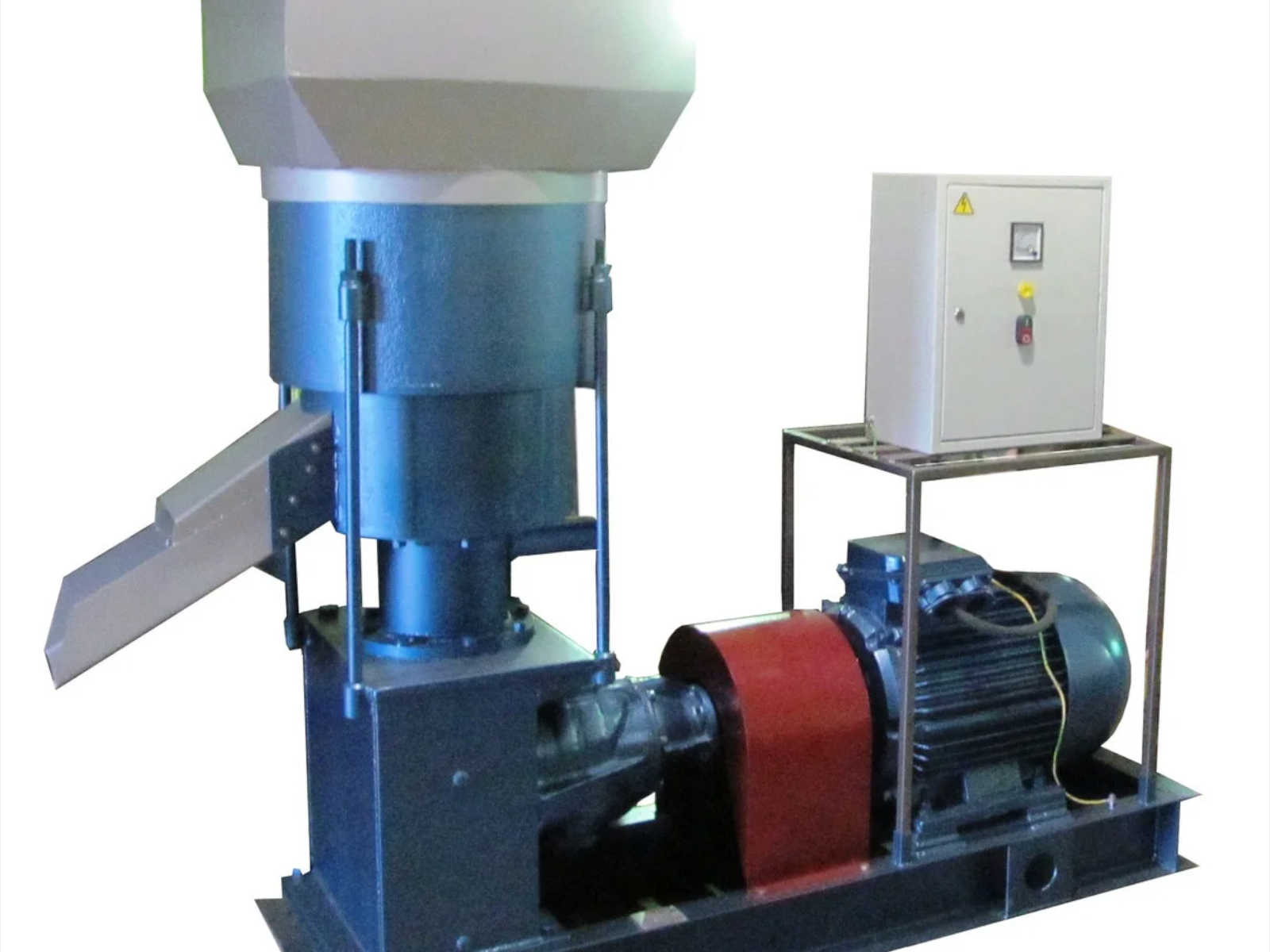
4. Pelletizing
After drying, the grass is ready to be pelleted.
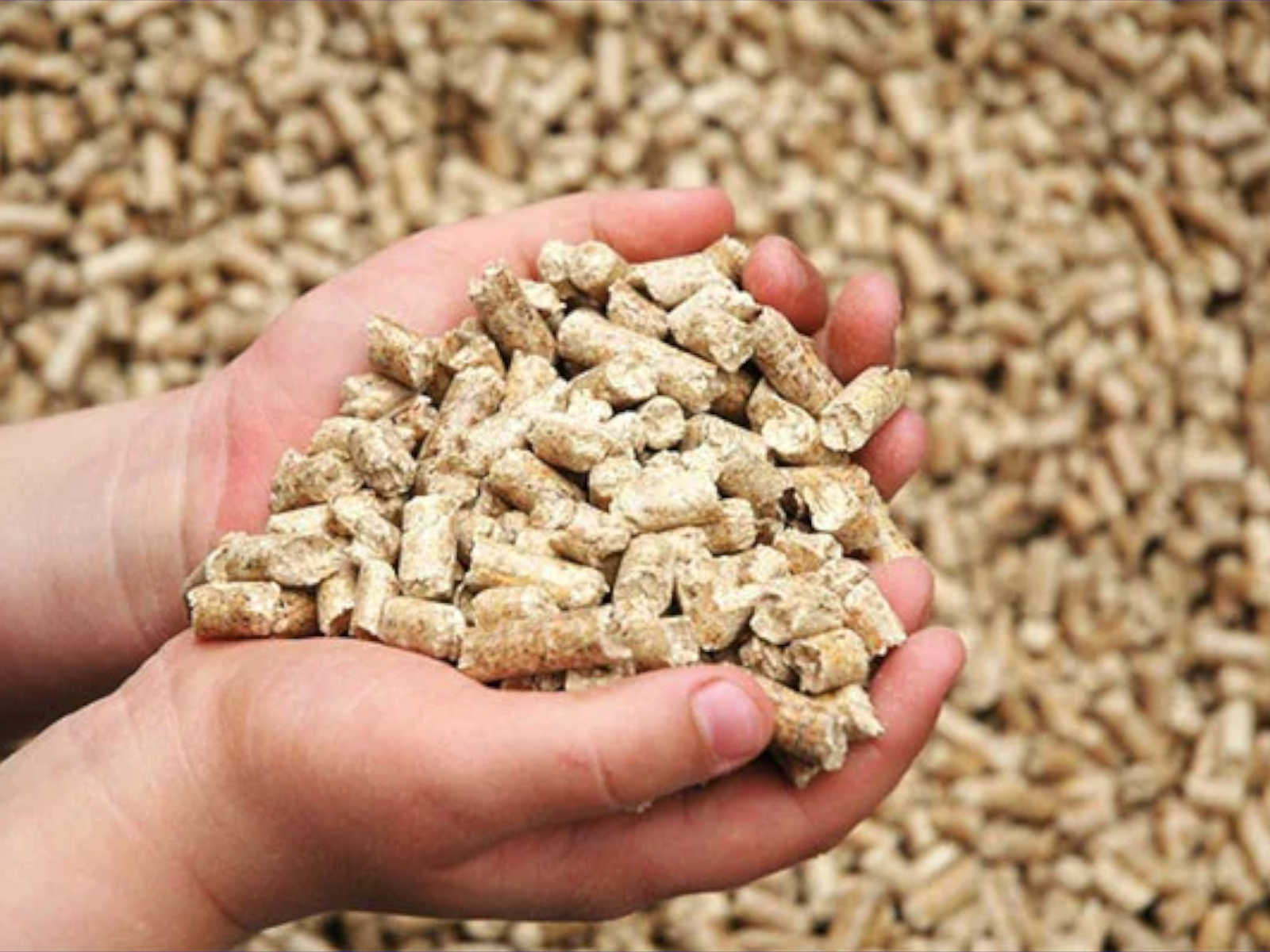
The finished pelletized feed is placed in paper three-ply bags that hold 30 to 50 kg, or soft containers of up to 1,000 kg can be used.