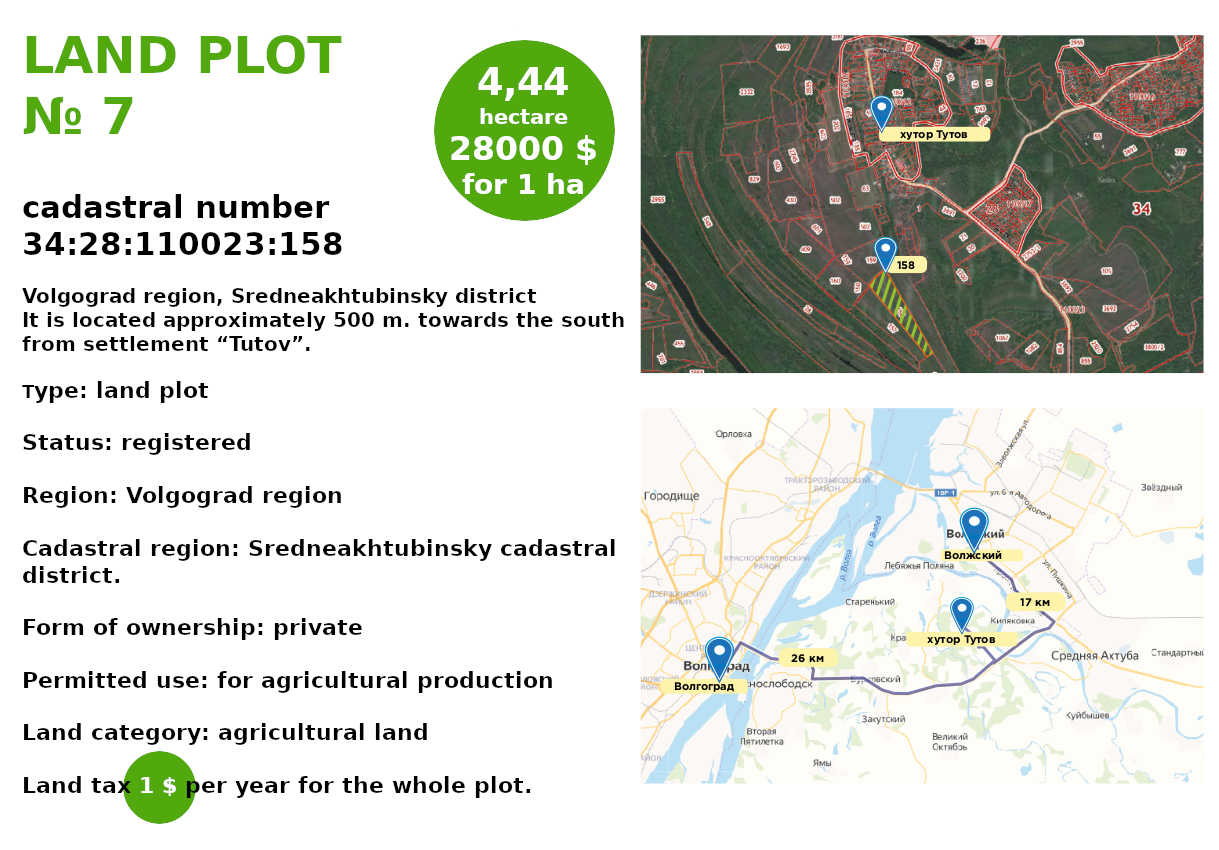
LAND PLOT № 7.
4.44 hectare
28000 $
For 1 ha
cadastral number 34:28:110023:158
Volgograd region, Sredneakhtubinsky district
It is located approximately 500 m. towards the south from settlement “Tutov”.
Type: land plot
Status: registered
Region: Volgograd region
Cadastral region Sredneakhtubinsky cadastral district.
Form of ownership: private
Permitted use: for agricultural production
Land category: agricultural land
Land tax 1 $ per year for the whole plot.

Prospective type of use:
For organizing a cattle farm
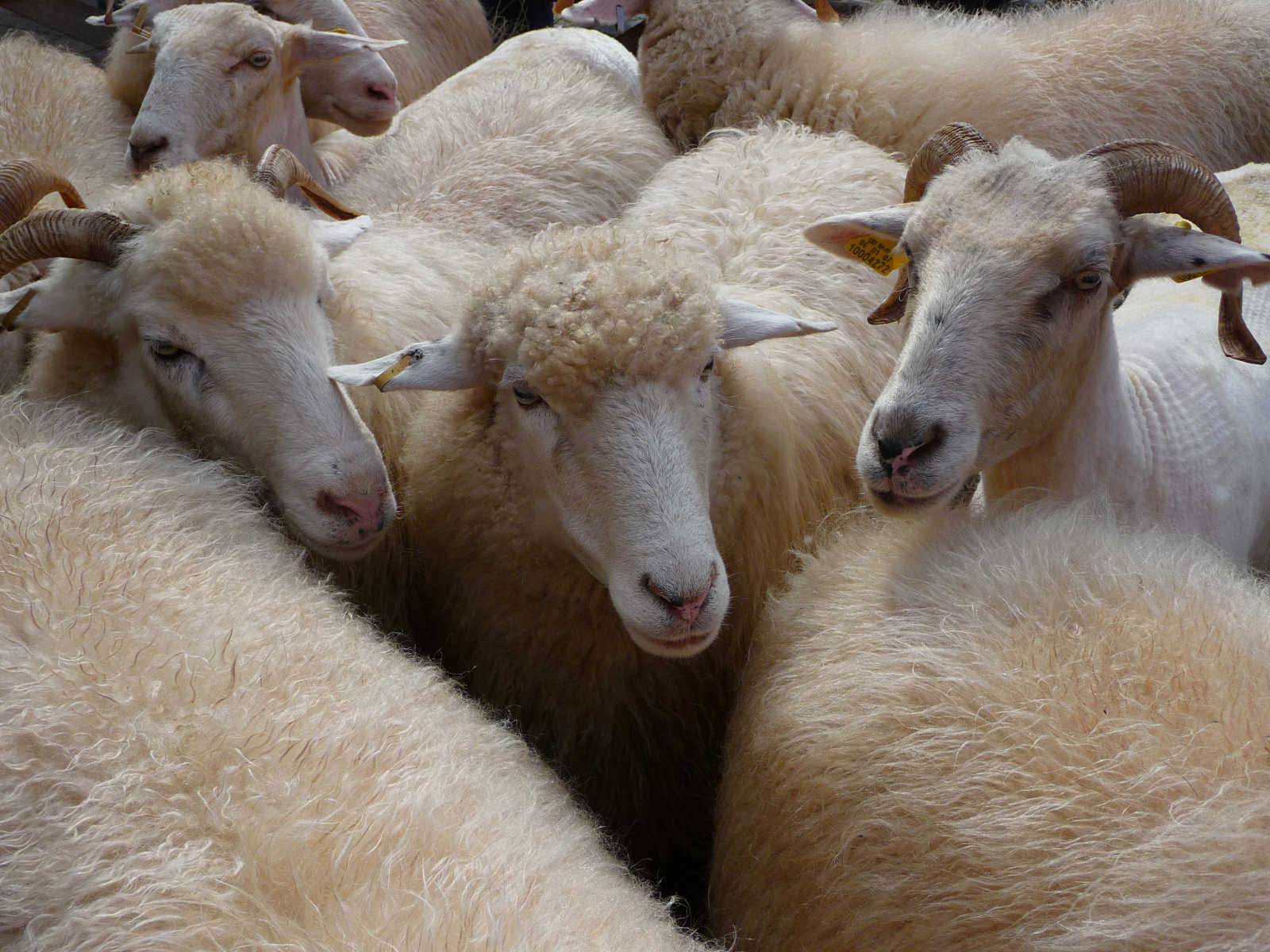
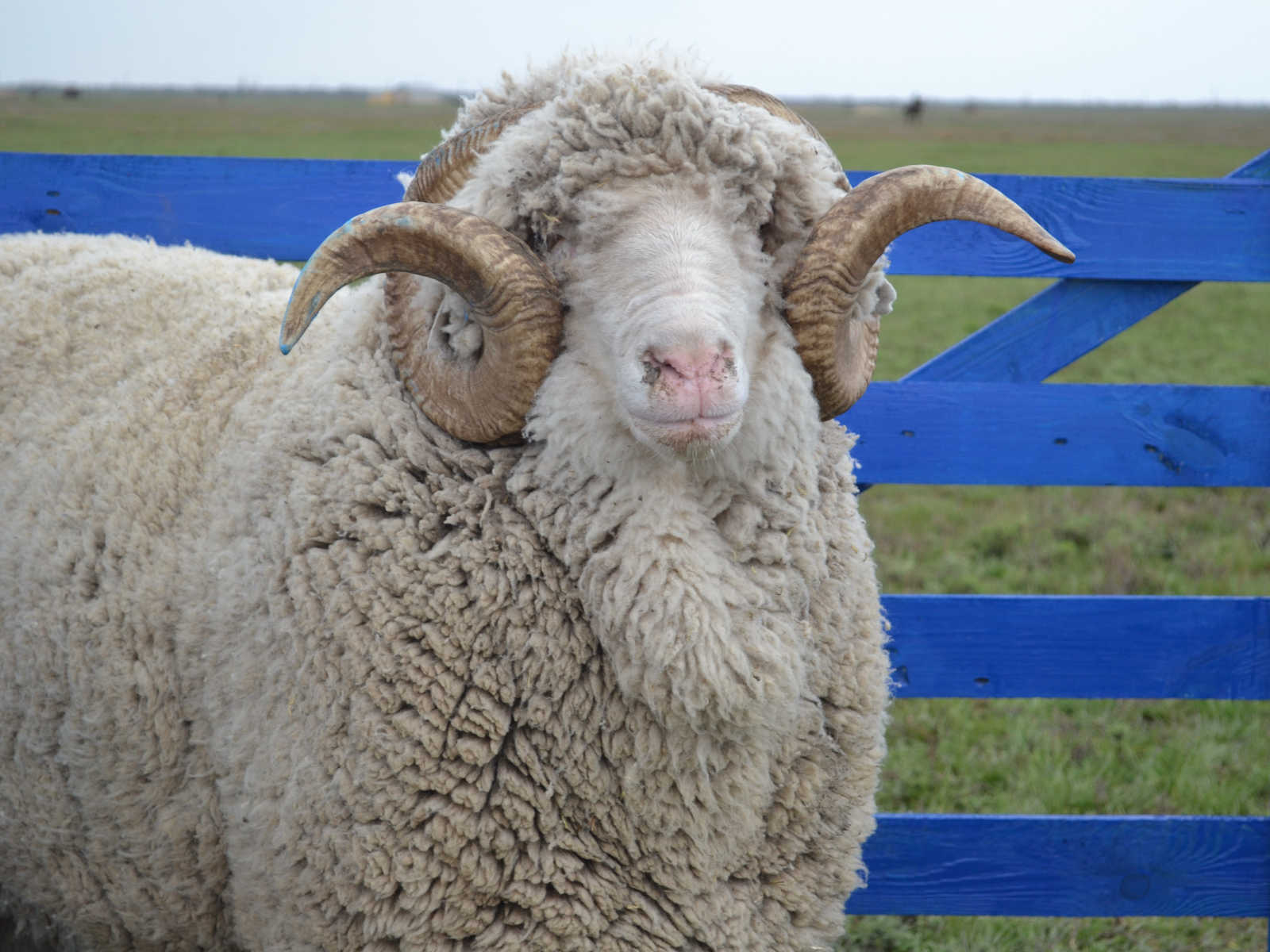
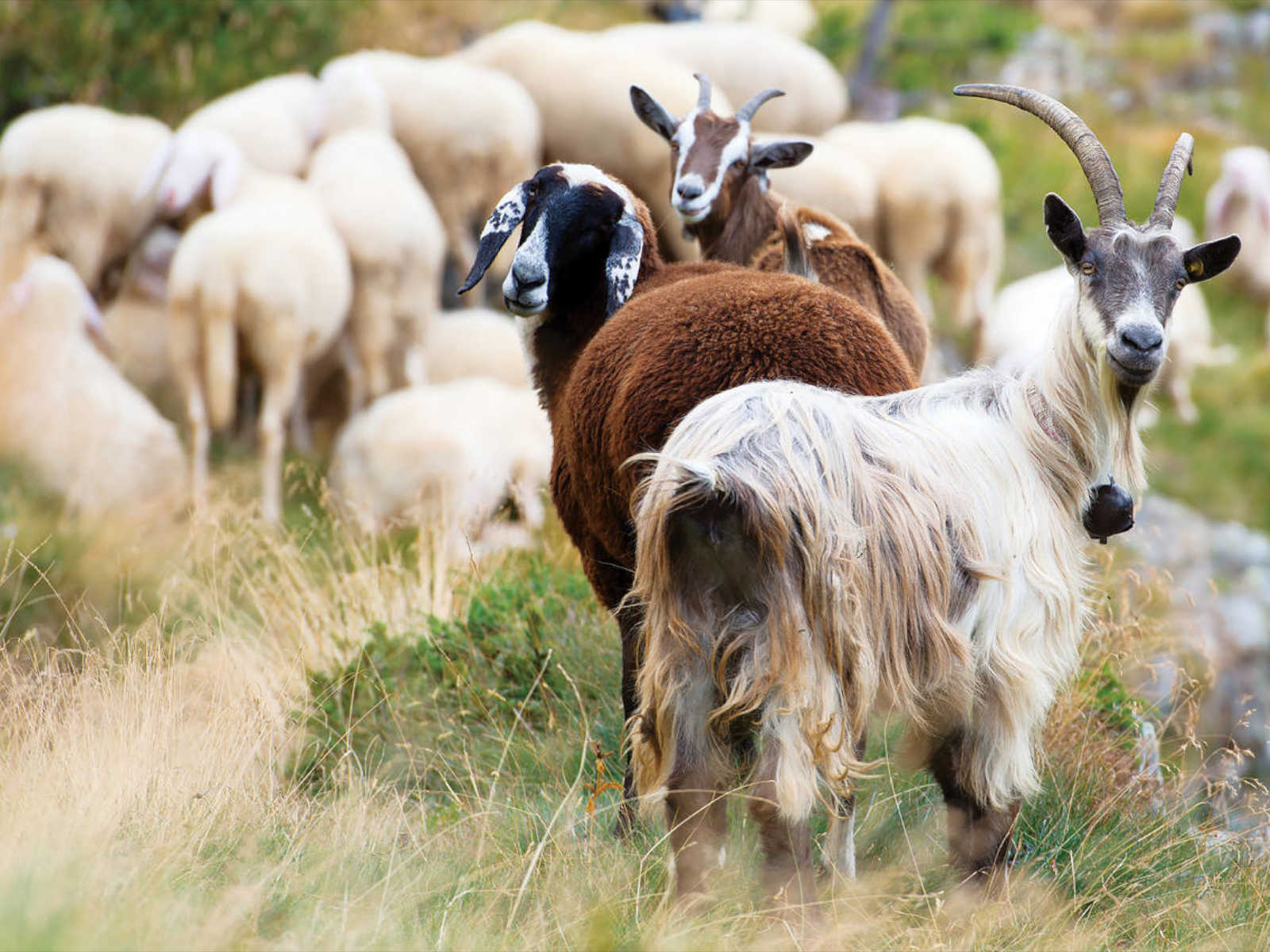
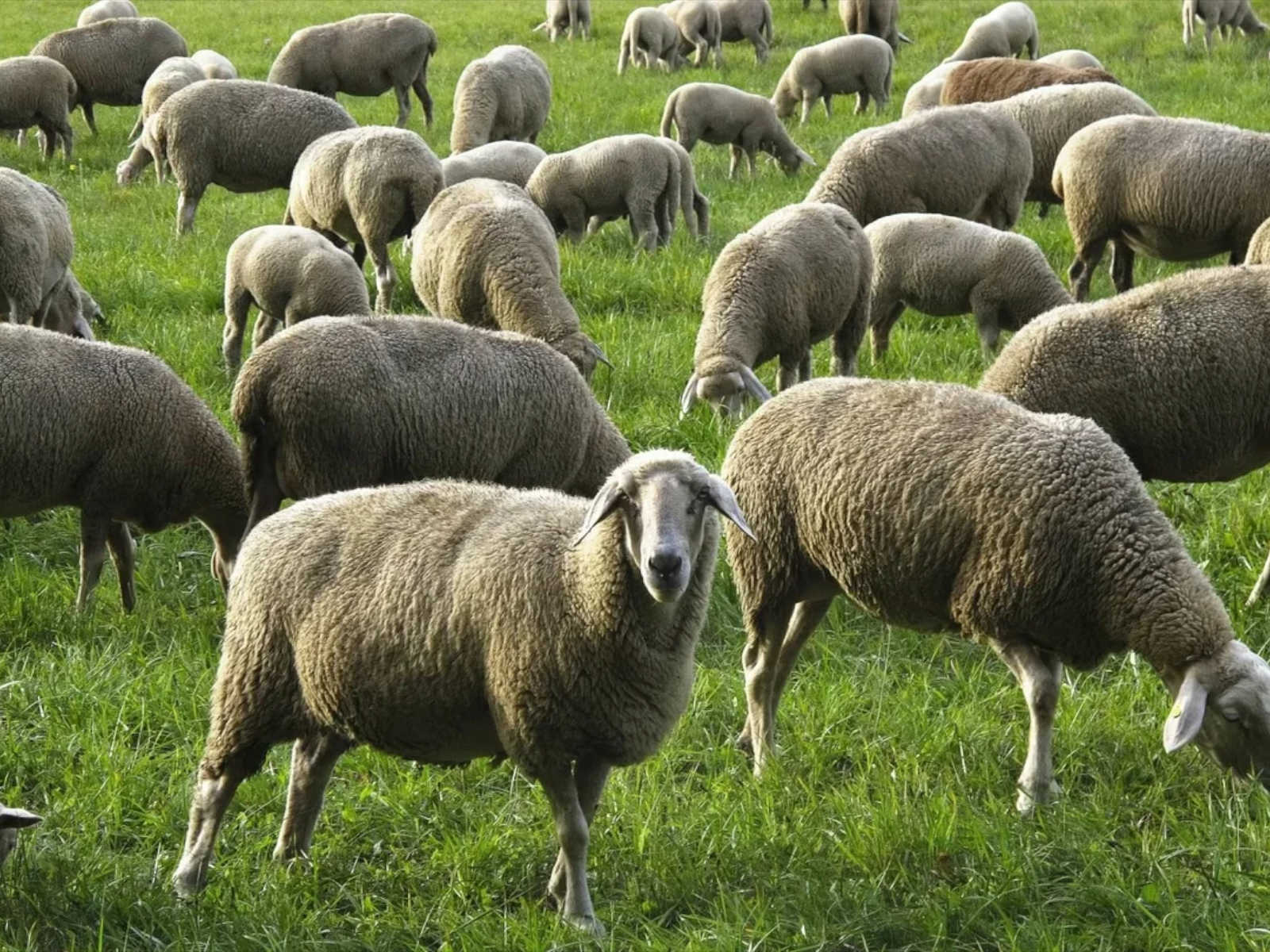
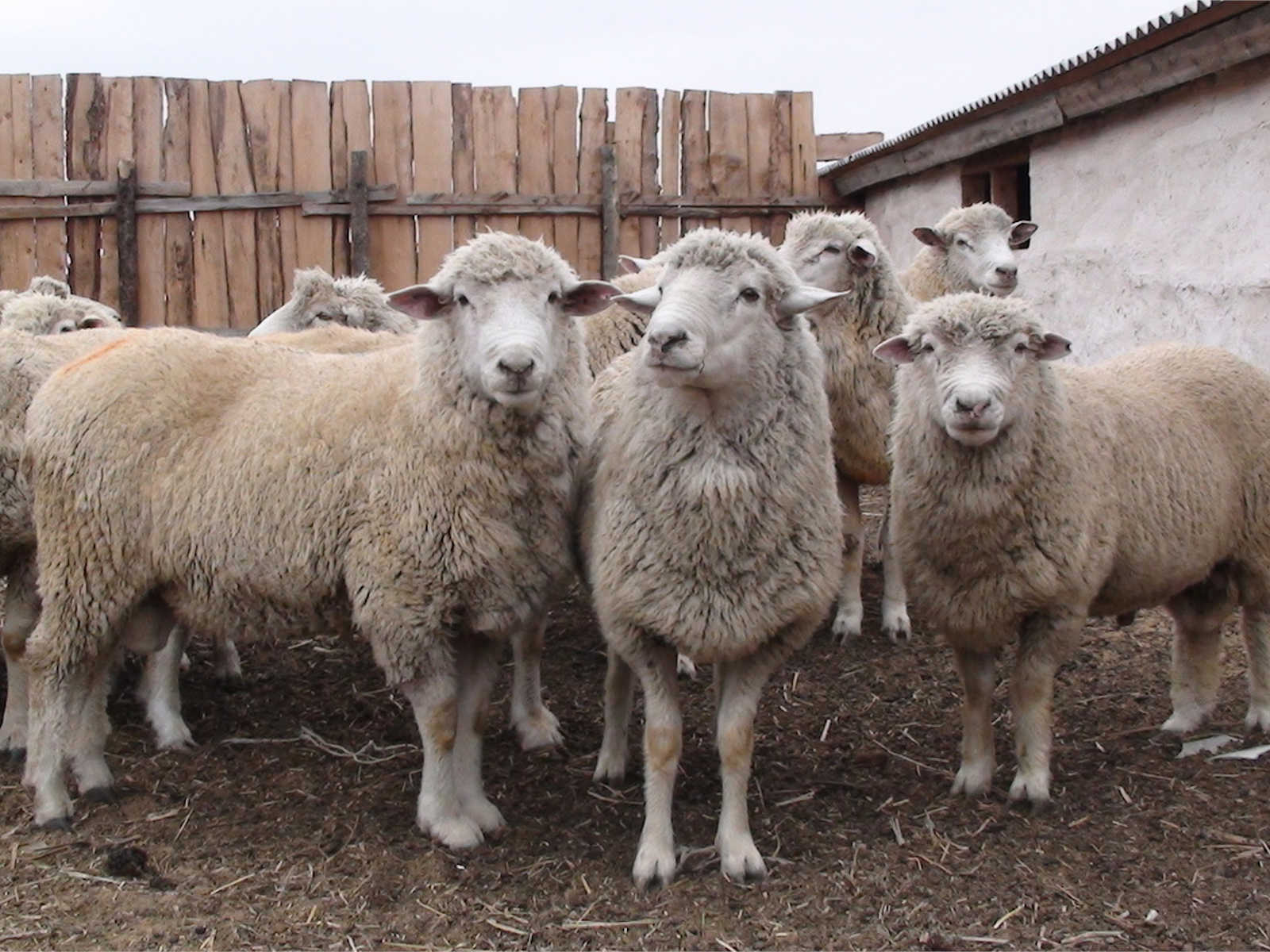
The region has a unique genetic fund of sheep of fine-wool, karakul, meat-wool and edilbayev breeds, which provides great opportunities for wool production.
Recently, the development of meat sheep farming has begun.
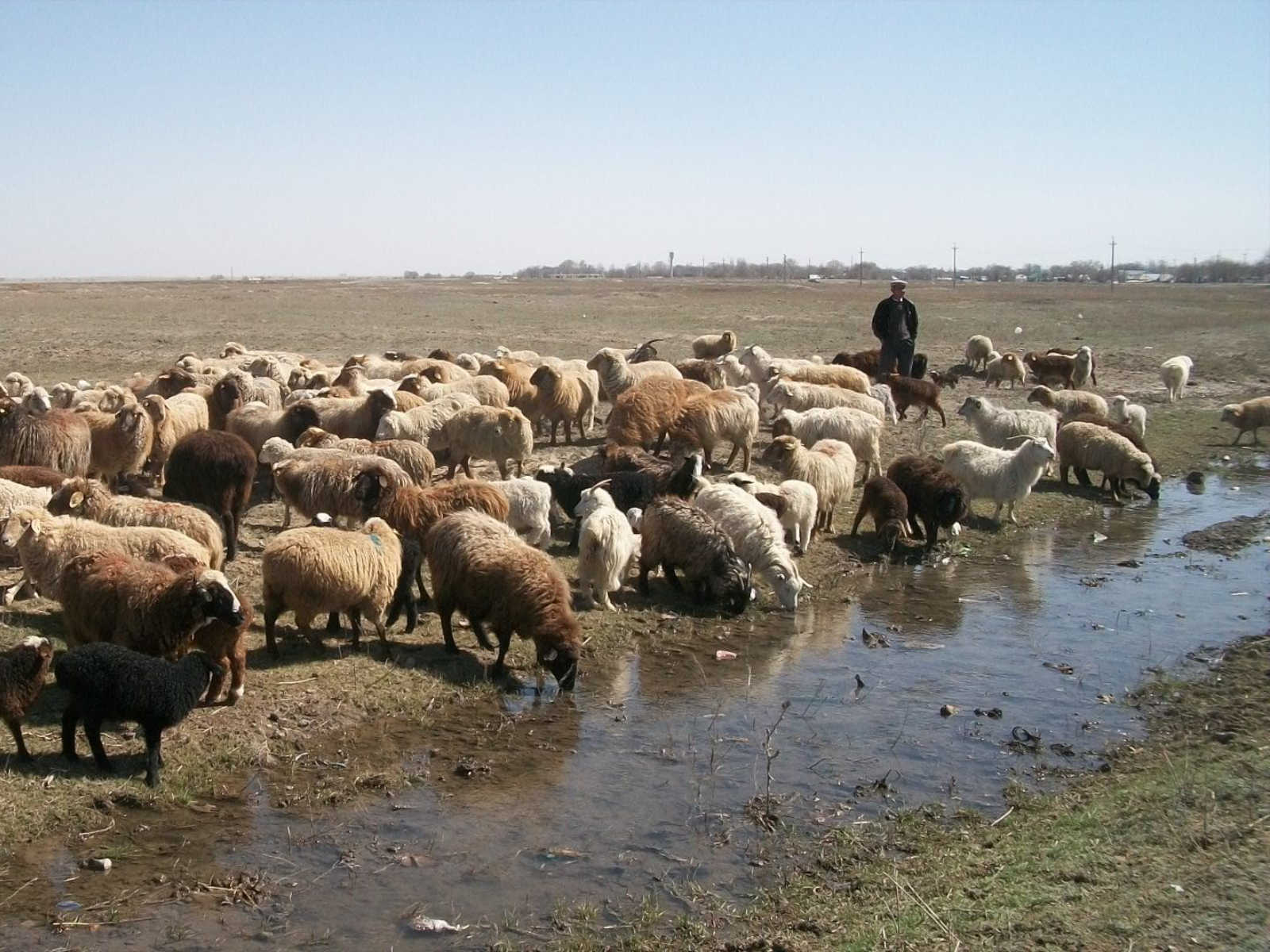
All these breeds of sheep are characterized by great endurance and adaptability to pasture maintenance in conditions of semi-desert.
The leading place before recent time was given to the grozny breed of sheep-wool direction.
Currently, the trend is changing.
Meat sheep breeding is becoming more and more popular because fine wool is not in demand now and the prices are going down.
In the meat balance, mutton occupies the 2nd place— 22.0 % (4.9 thousand tons of meat in the slaughter weight of 22.0 thousand tons).
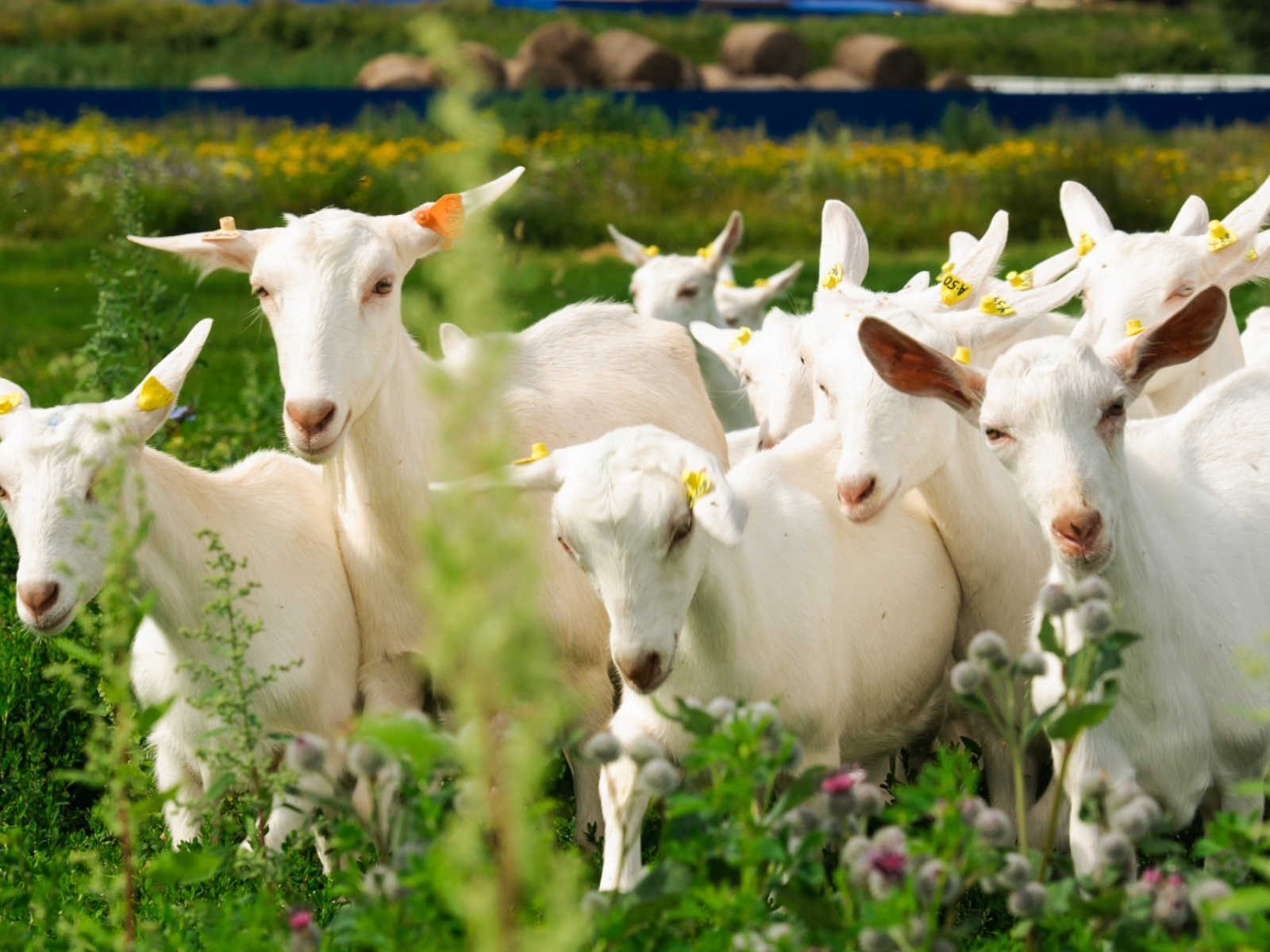
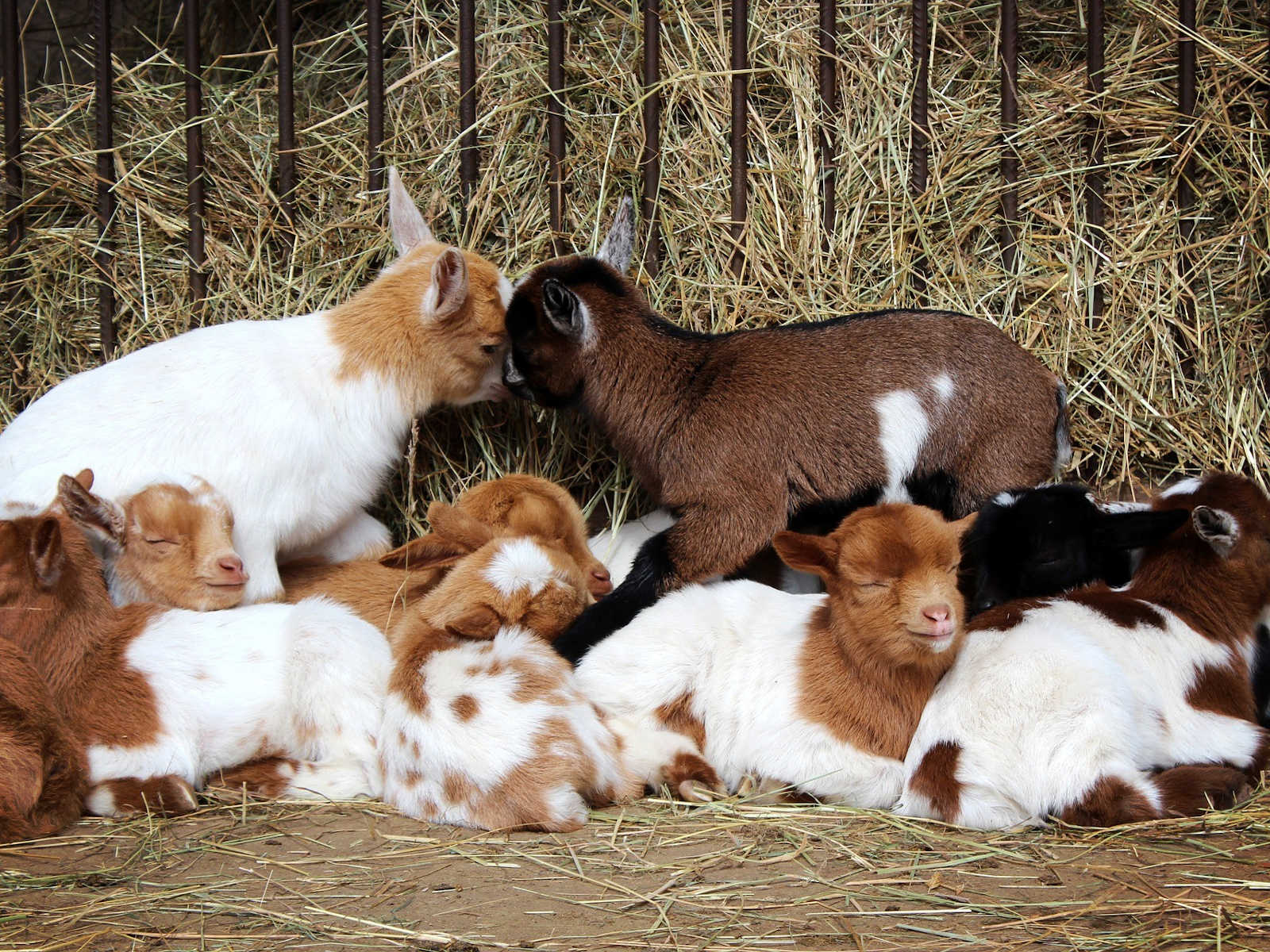
The tendency to increase the number of sheep and goats in the region remains.
The development of sheep breeding in the region is due to the demand for breeding stock and a good price for mutton.
Great role in increasing the number of livestock plays breeding support from the Federal budget.
In addition, farms and agricultural enterprises of the region get financial support from the Federal budget for the development of domestic sheep breeding.
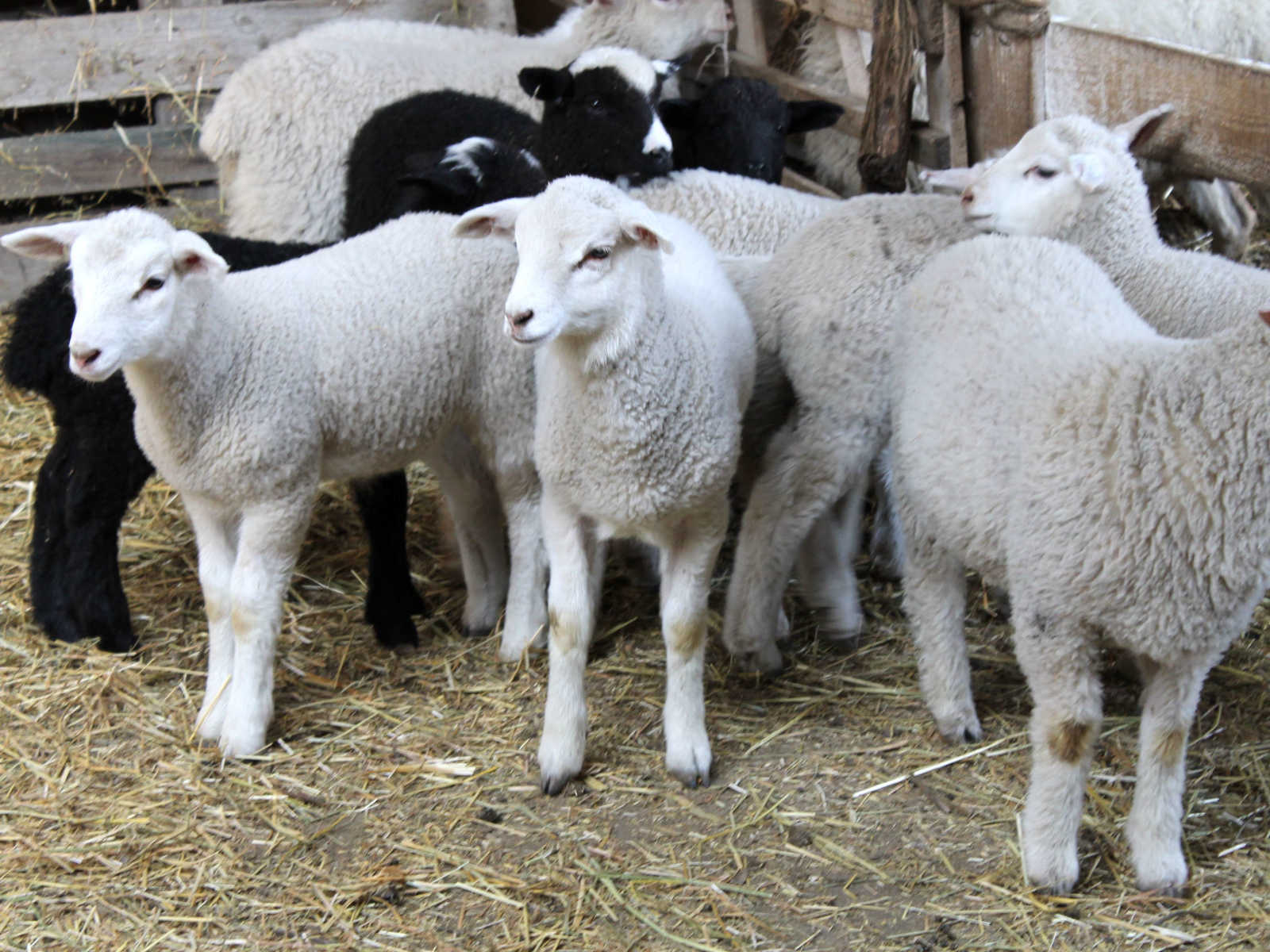
The tasks in sheep breeding are to keep the genetic potential of sheep breeds in the region, the tendency for increasing their number in optimal quantity without violating the natural environment. It can be reached by increasing the quantity of lambs, high safety and production volumes of sheep products, mainly meat, improving productive qualities, wool shearing, live weight.
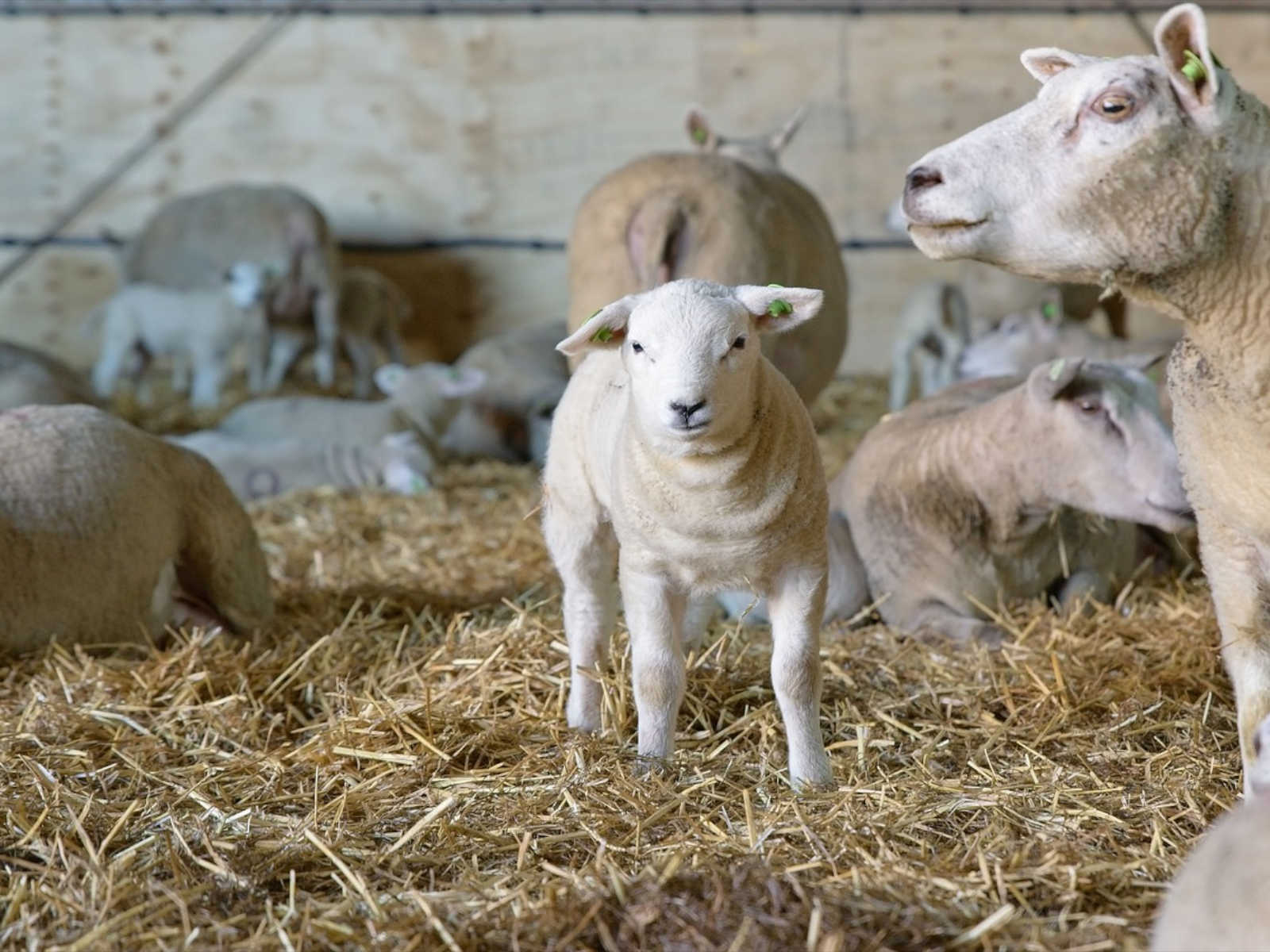
In recent years, number of offspring from 100 queens is 90 % or more, including 95 — 100% in breeding farms. The region has sufficient human resources and natural pastures to perform these tasks.