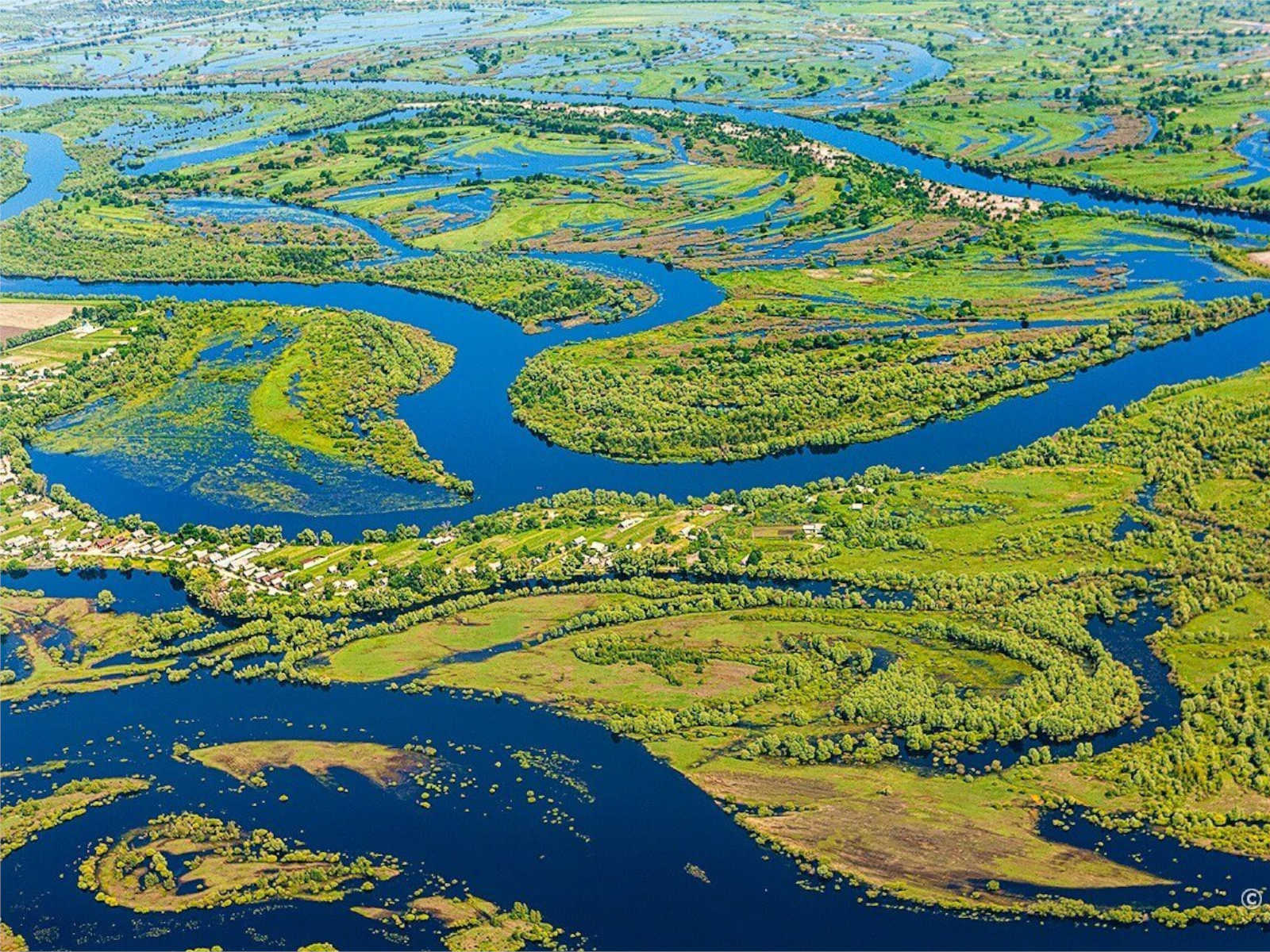
One of the actively developing territories is the Volga-Akhtuba floodplain. The area is attractive for tourism and permanent stay.
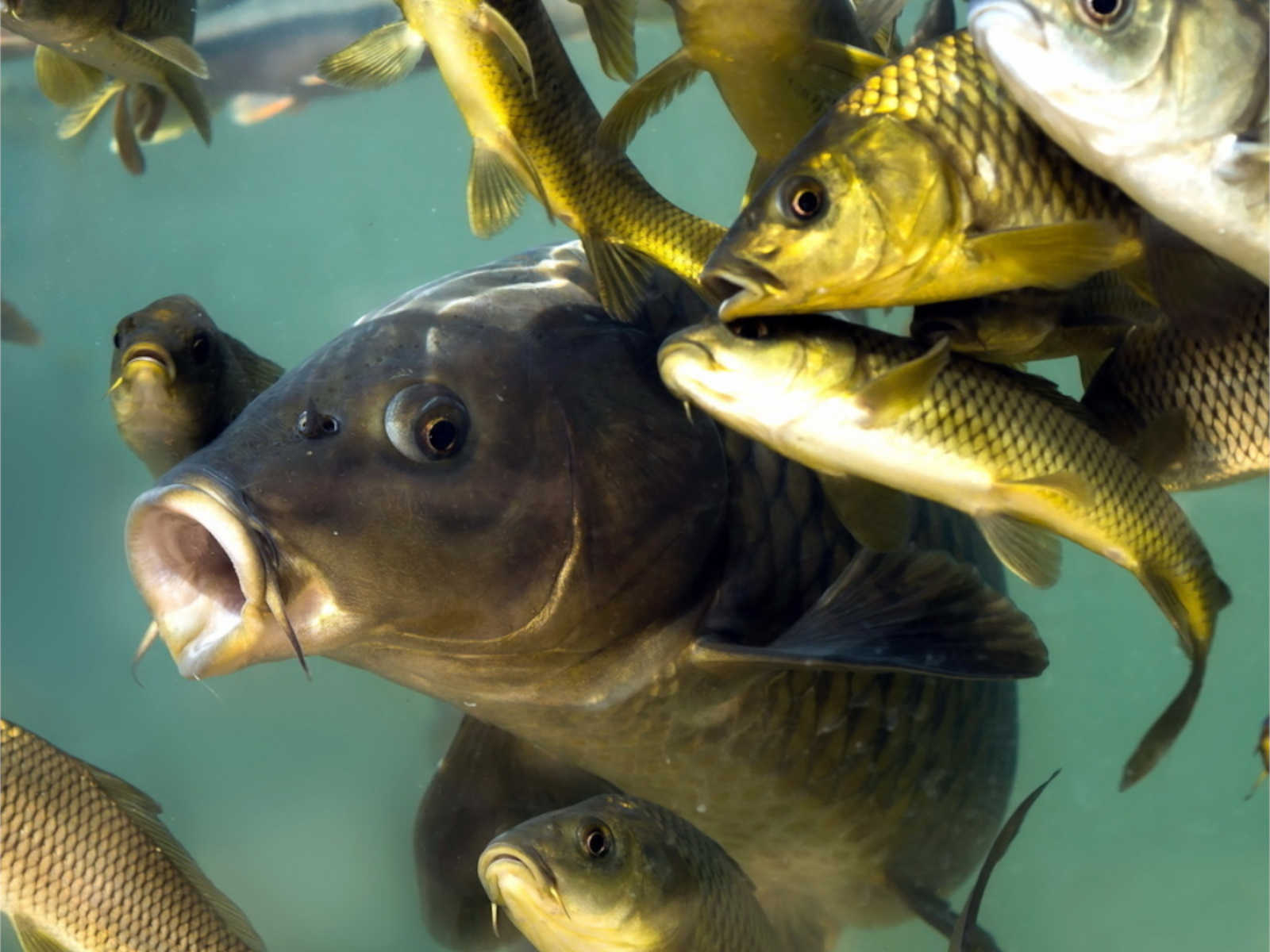
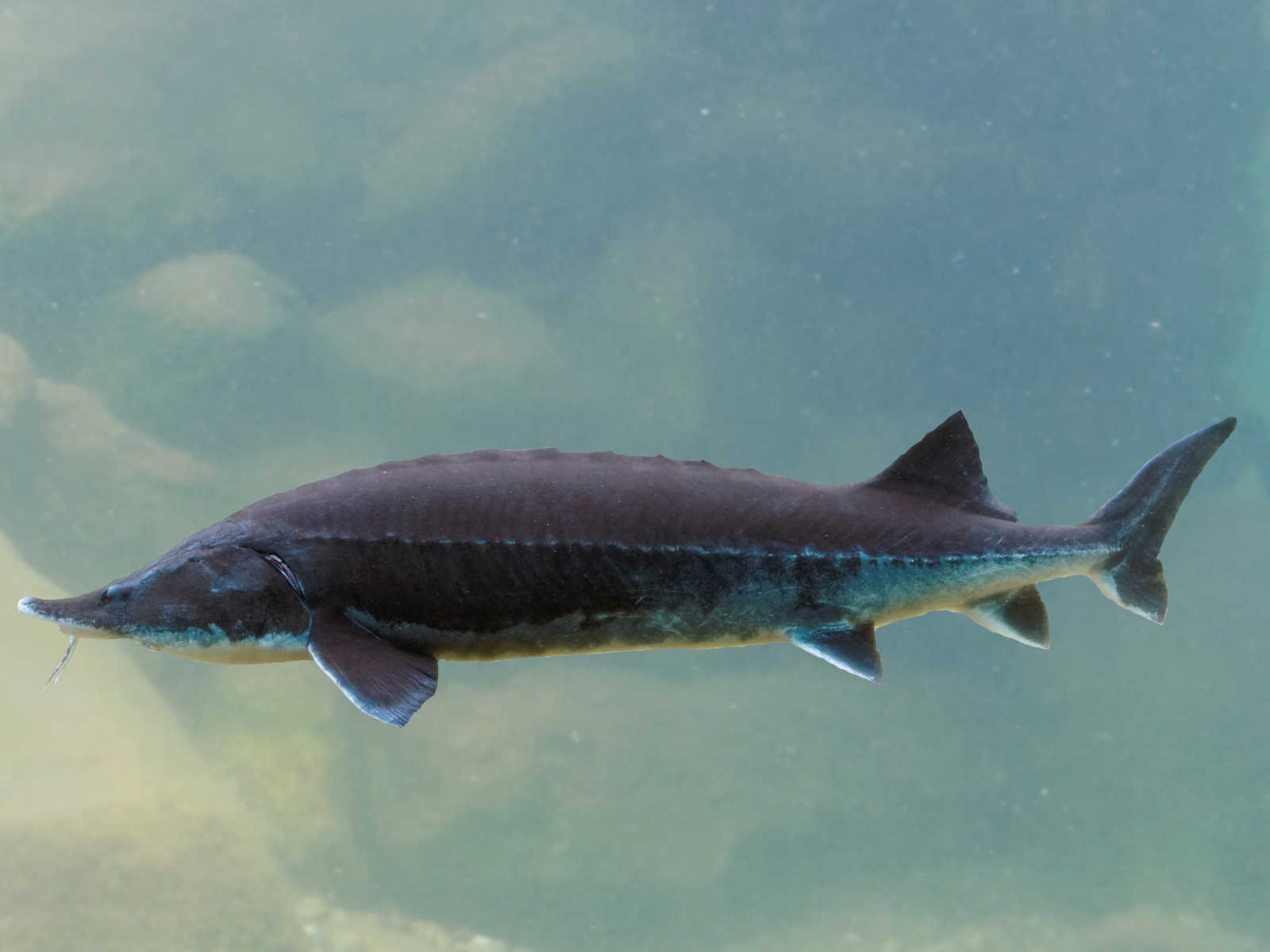
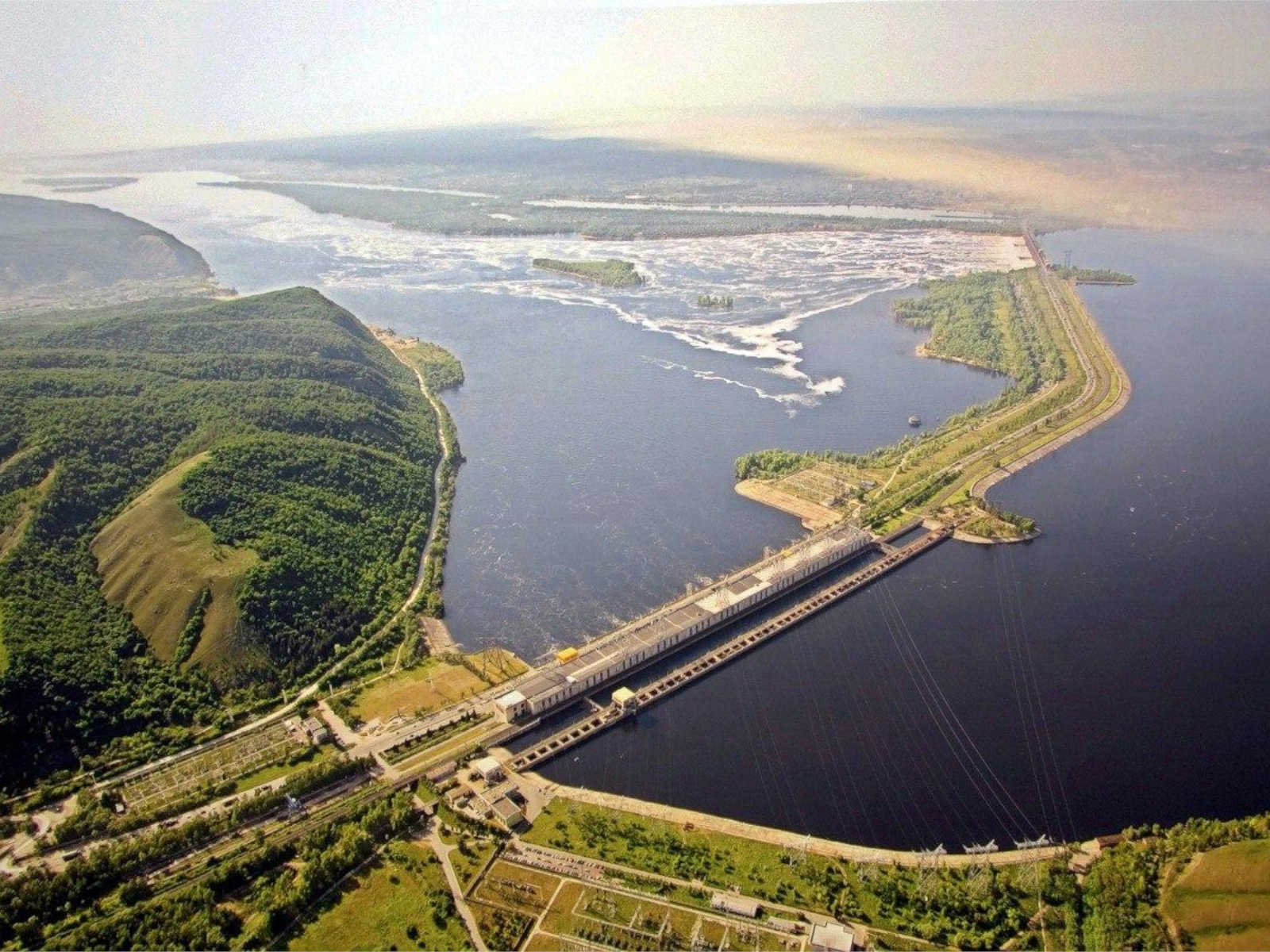
The Volga-Akhtuba floodplain begins immediately behind the Volga hydroelectric power station, at a place where two rivers separate from each other, forming a lot of old lakes, channels and ponds surrounded by endless steppes. The most beautiful places in the Volgograd region attract many tourists, most of whom are avid fishermen from all over Russia. Early, the Volga river gave more than eighty percent of the world's sturgeon catch, and although the situation has changed recently, the Volga-Akhtuba floodplain remains a natural spawning ground for valuable fish.
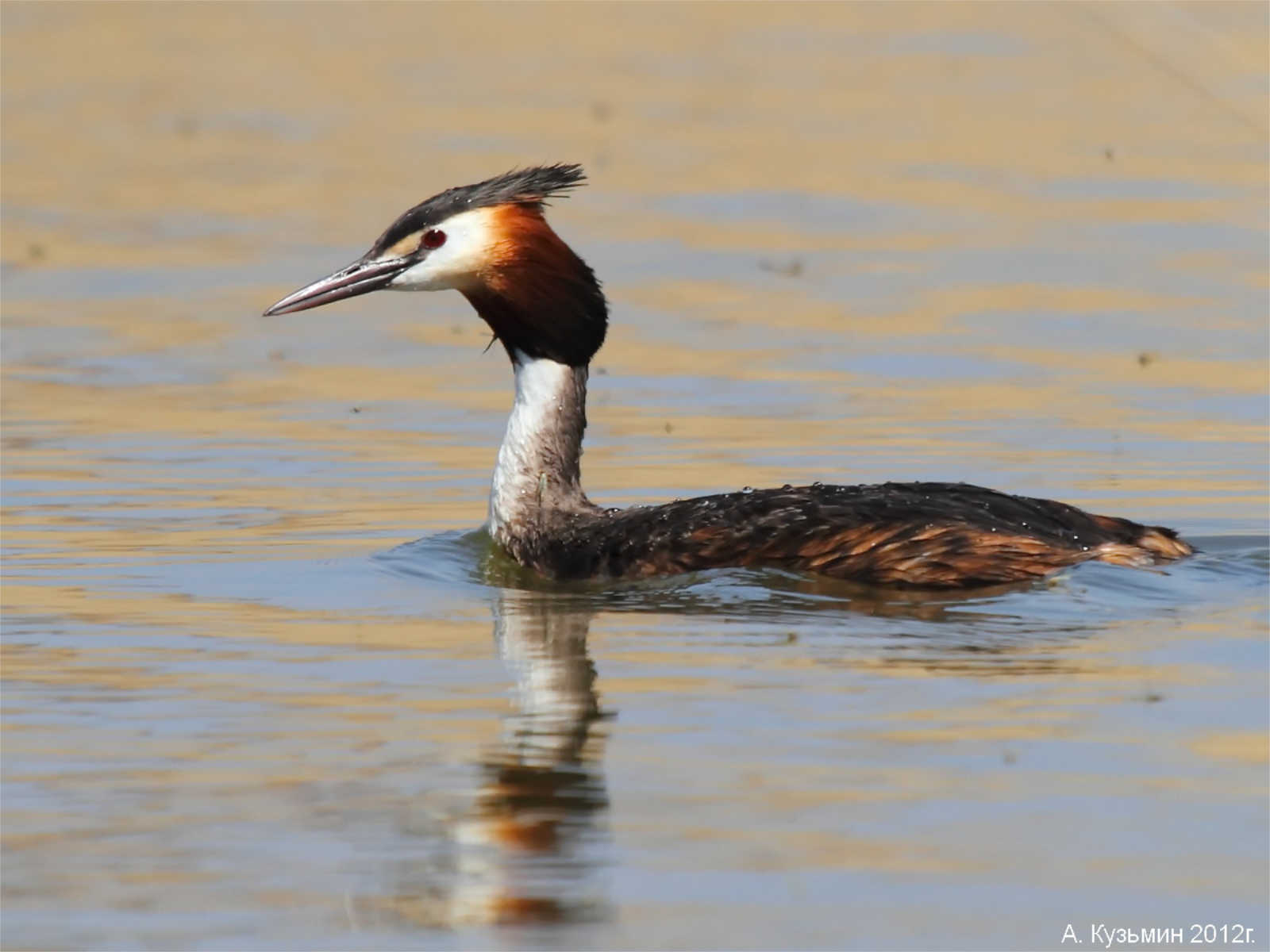
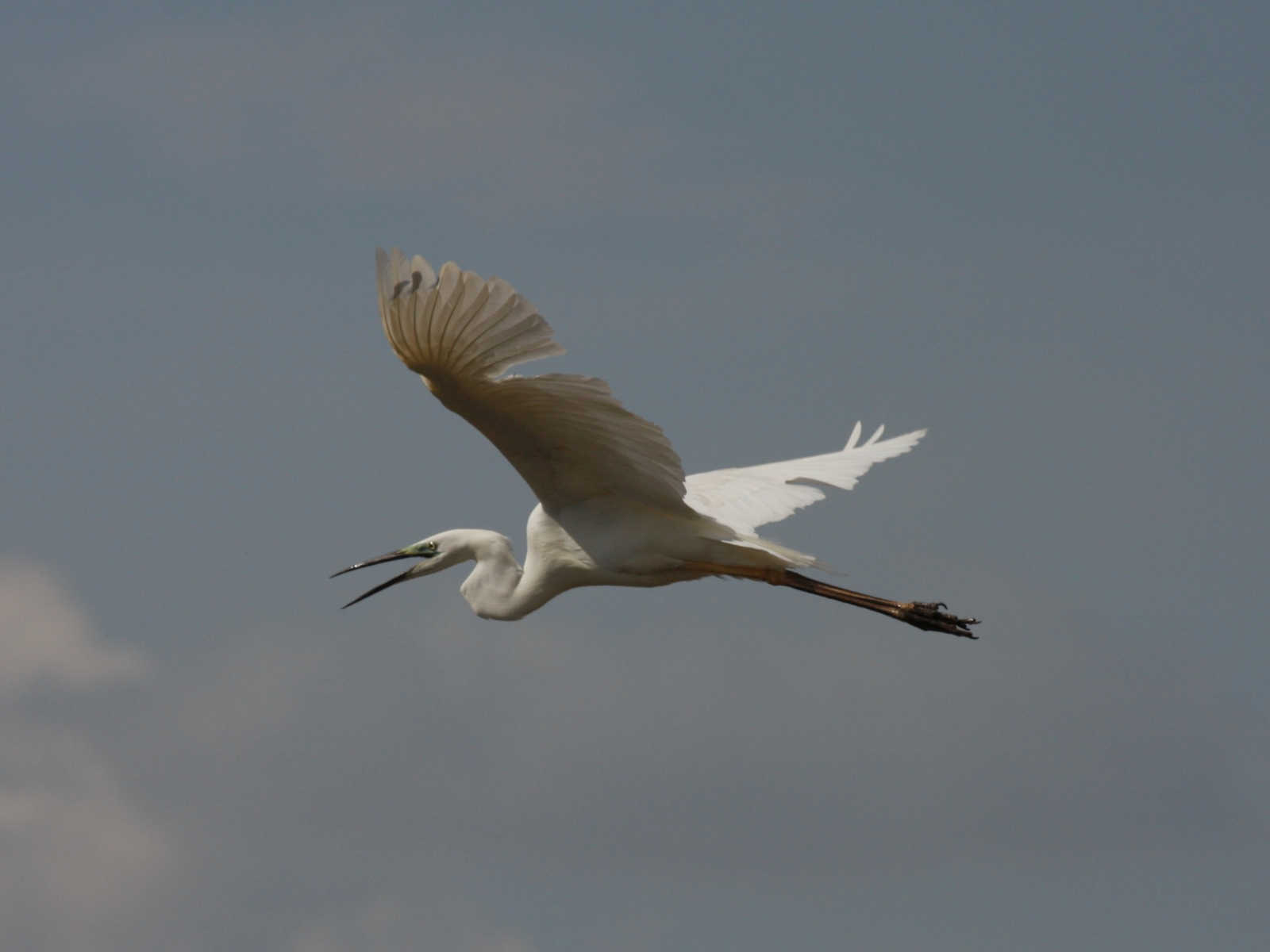
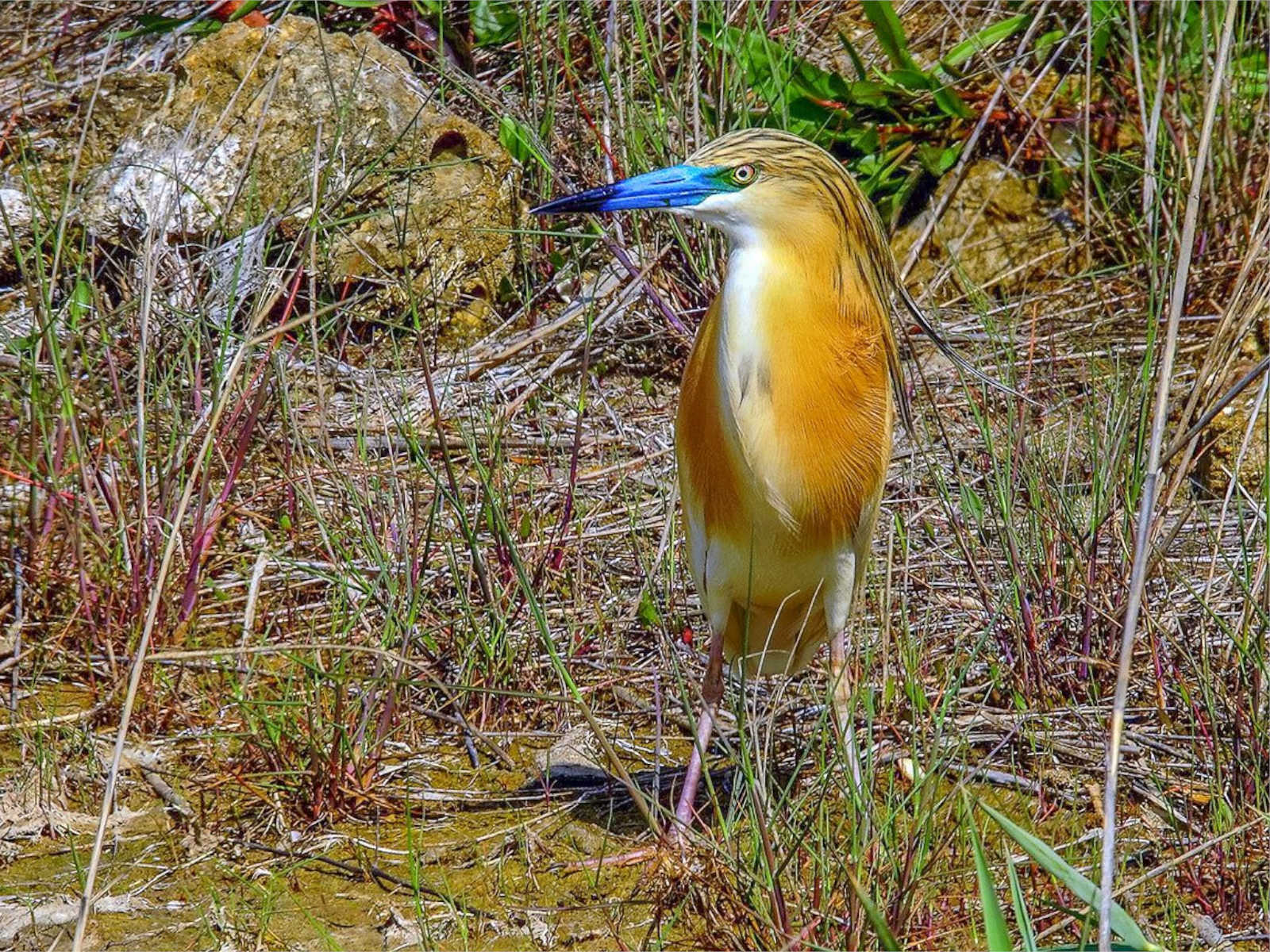
Floodplain backwaters and overgrown with reeds of the lake serve as a place for the rest and feeding of rare migratory birds.
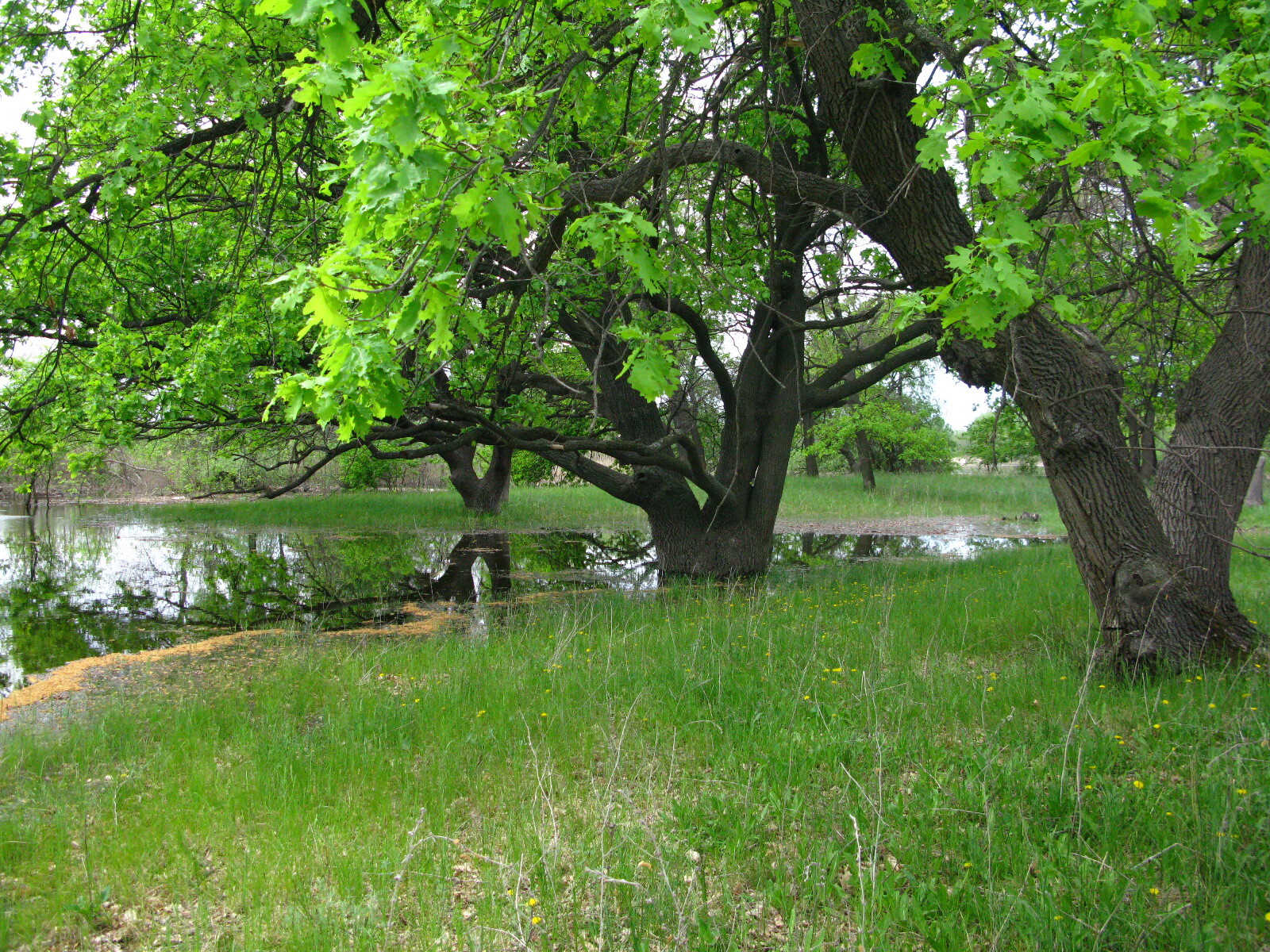
The nature park is rich in picturesque water meadows and green floodplain oak forests, but a particularly popular natural object is a small lotus lake, where bright pink flowers bloom on large floating leaves from August to September.
The appearance of such an unusual flower for the Volga region is explained by the warm climate, which is not relinquish the subtropics of the Crimea in terms of the number of sunny days.
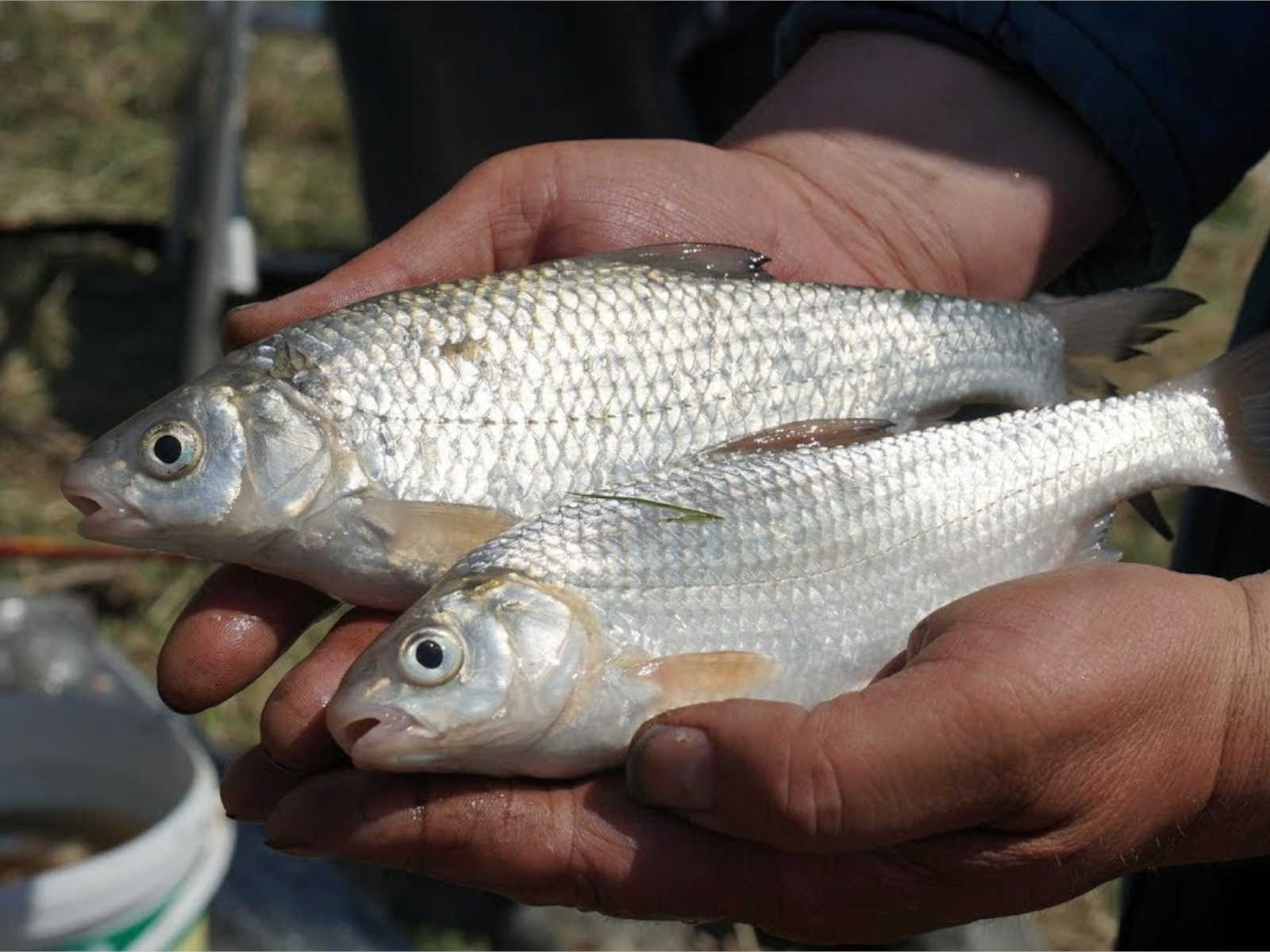
Beautiful places attract fishermen from all over Russia. The floodplain still remains a breeding ground for valuable breeds. You will not find such fishing anywhere as in the floodplain. It is a paradise for those who like to sit with a fishing rod or spinning.
Thanks to the timely organization of the nature reserve, they managed to keep such rare and endangered fish as Caspian trout, Volga herring, sterlet and whitefish. This is the only place in the world where sturgeon breeds in natural conditions.
The Volgograd region has unique conditions, it is the reason why a huge number of animals and birds live here. The climate in the valley is quite mild. It doesn't rain often here, but there are fewer dry days. But in general, the summer is quite hot, sometimes the temperature reaches 40 degrees above zero. The Volga-Akhtuba floodplain is located in a forest-steppe natural zone.
Mushrooms grow in woodlands: milk mushroom, russule, lurid boletus, semi-white mushroom, etc.
Edible wild berries found in the floodplain are currants and blackberries, which can be picked in July and August. The cold period starts in middle of November and lasts until March.
The average temperature is about 9 degrees below zero, but sometimes the column of thermometer drops below 20 degrees below zero.
In middle of November, the hunting season for wild and fur-bearing animals opens, it continues on the territory of the Volga-Akhtuba floodplain until the end of February.
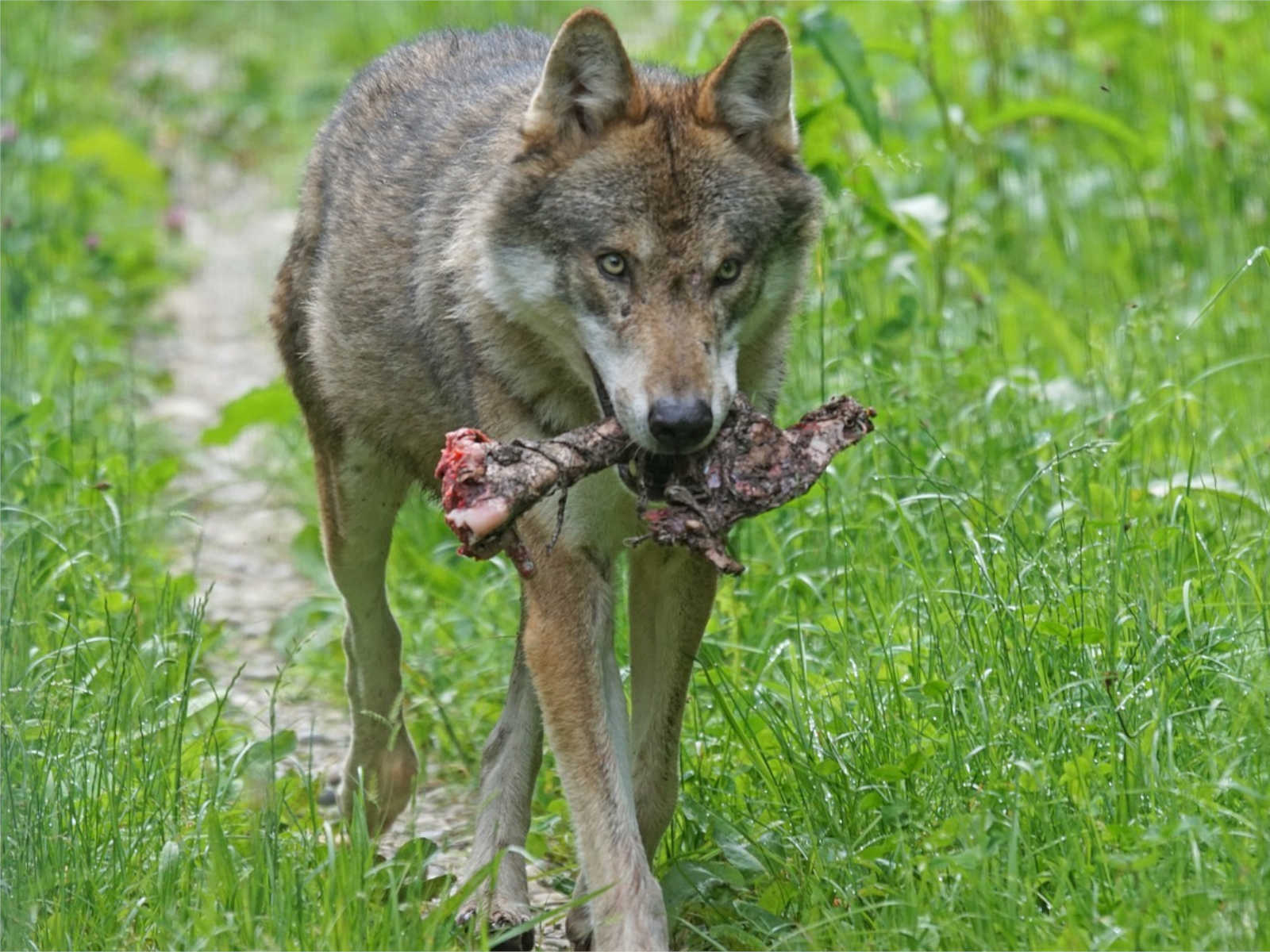
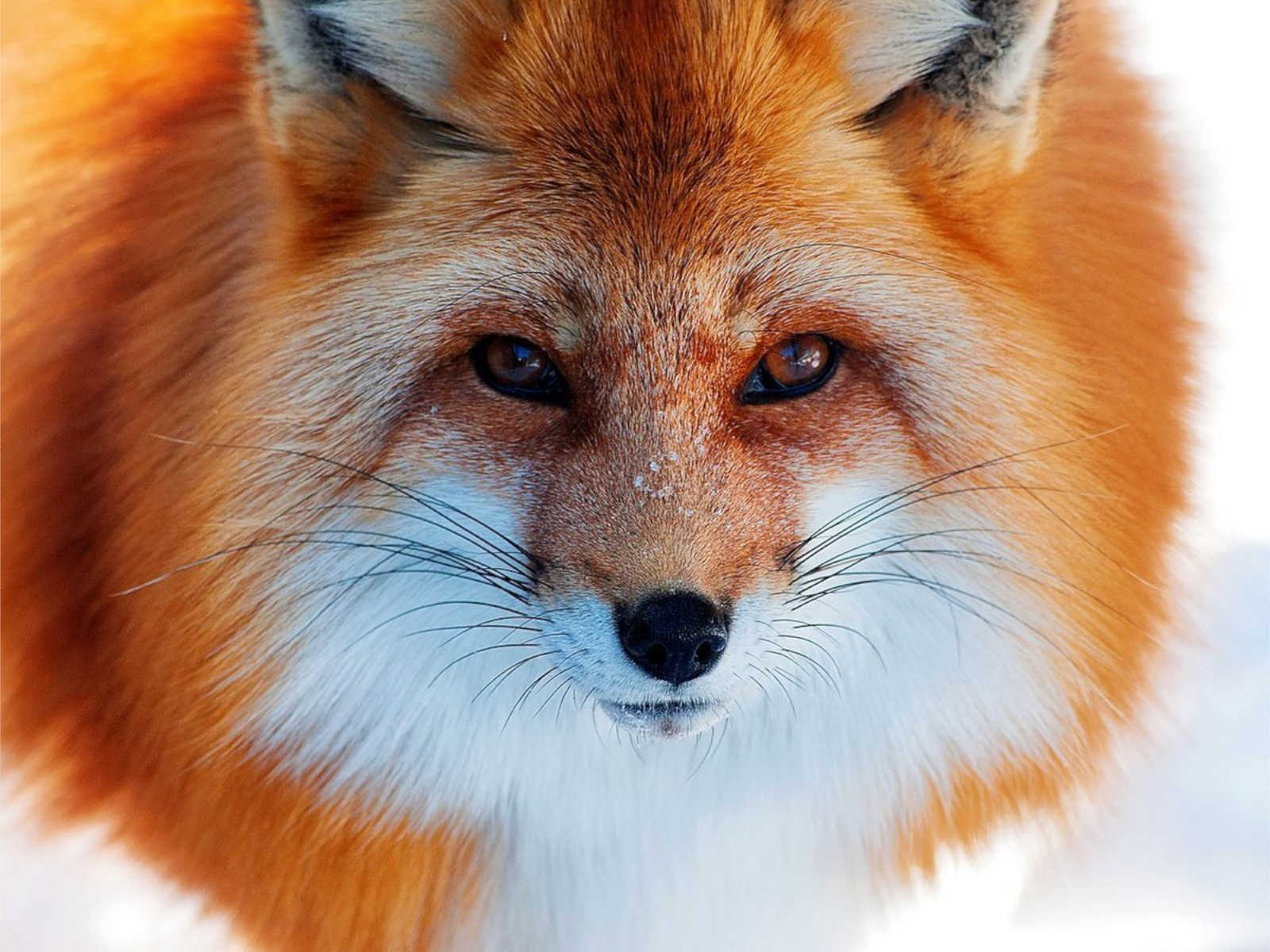
The only exceptions to this rule are wolves and foxes, they can be shot throughout the year.
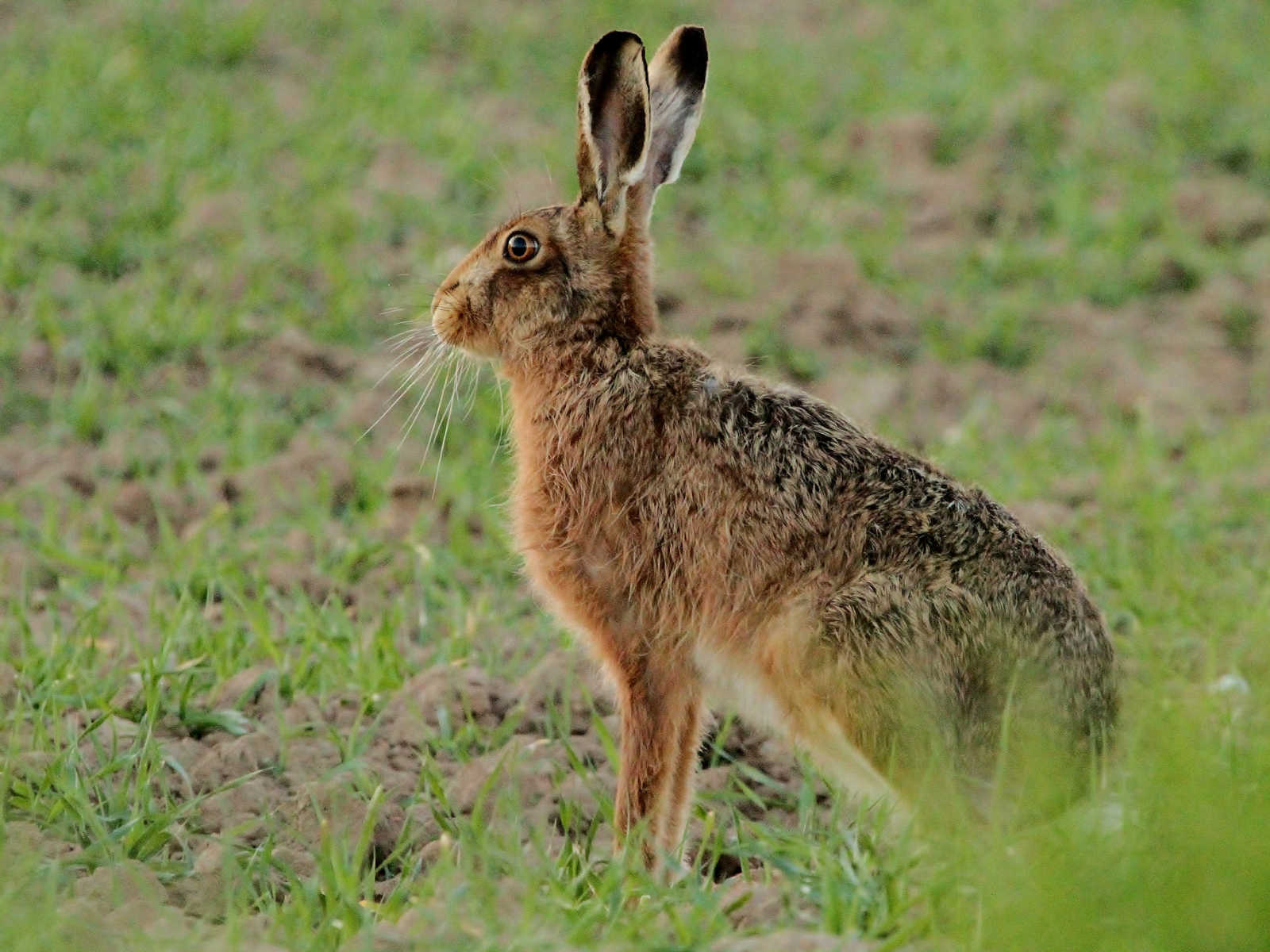
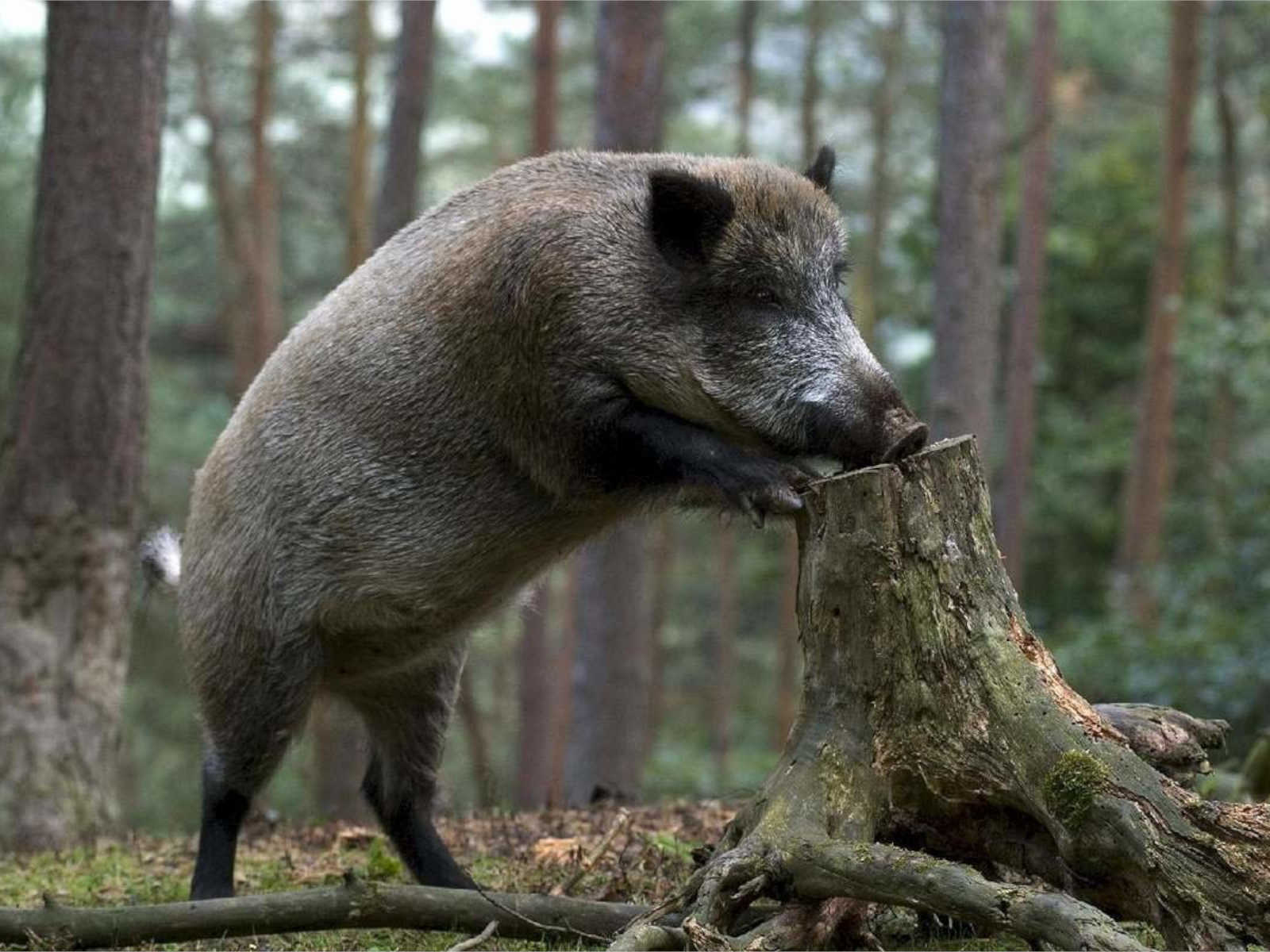
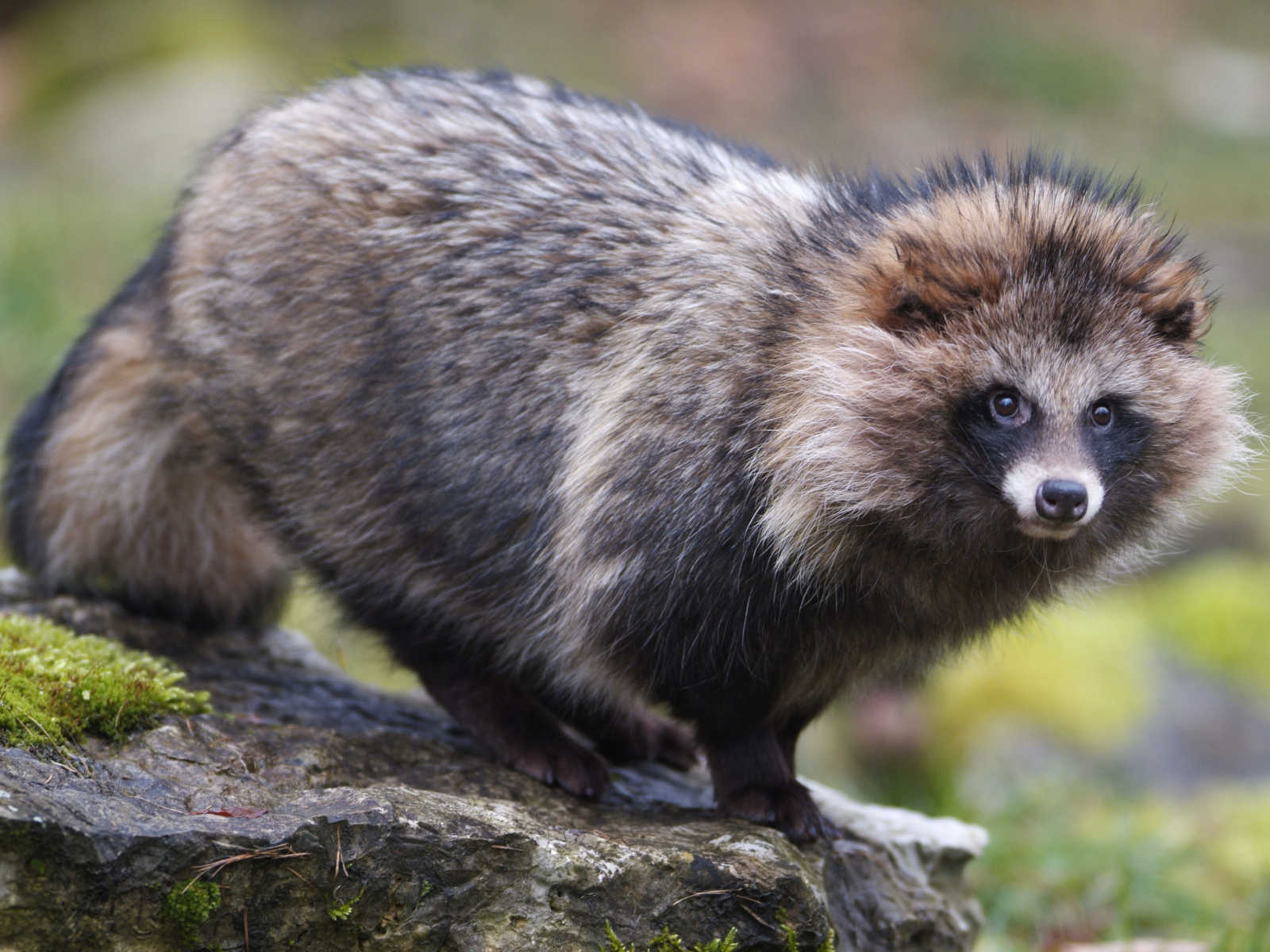
Hunters of the beast can count on a following trophy: a hare, a raccoon dog, a ferret and, of course, a wild hog. Thanks to a good food base, the steppe hare in our region is so large that it sometimes reaches a weight of 6 kilograms.
Hunters are interested in such large mammals as deer, elk or roe deer. It is interesting to hunt fur-bearing animals with mink dogs, because until the last moment you do not know who will be in the hole – a fox, raccoon or badger.